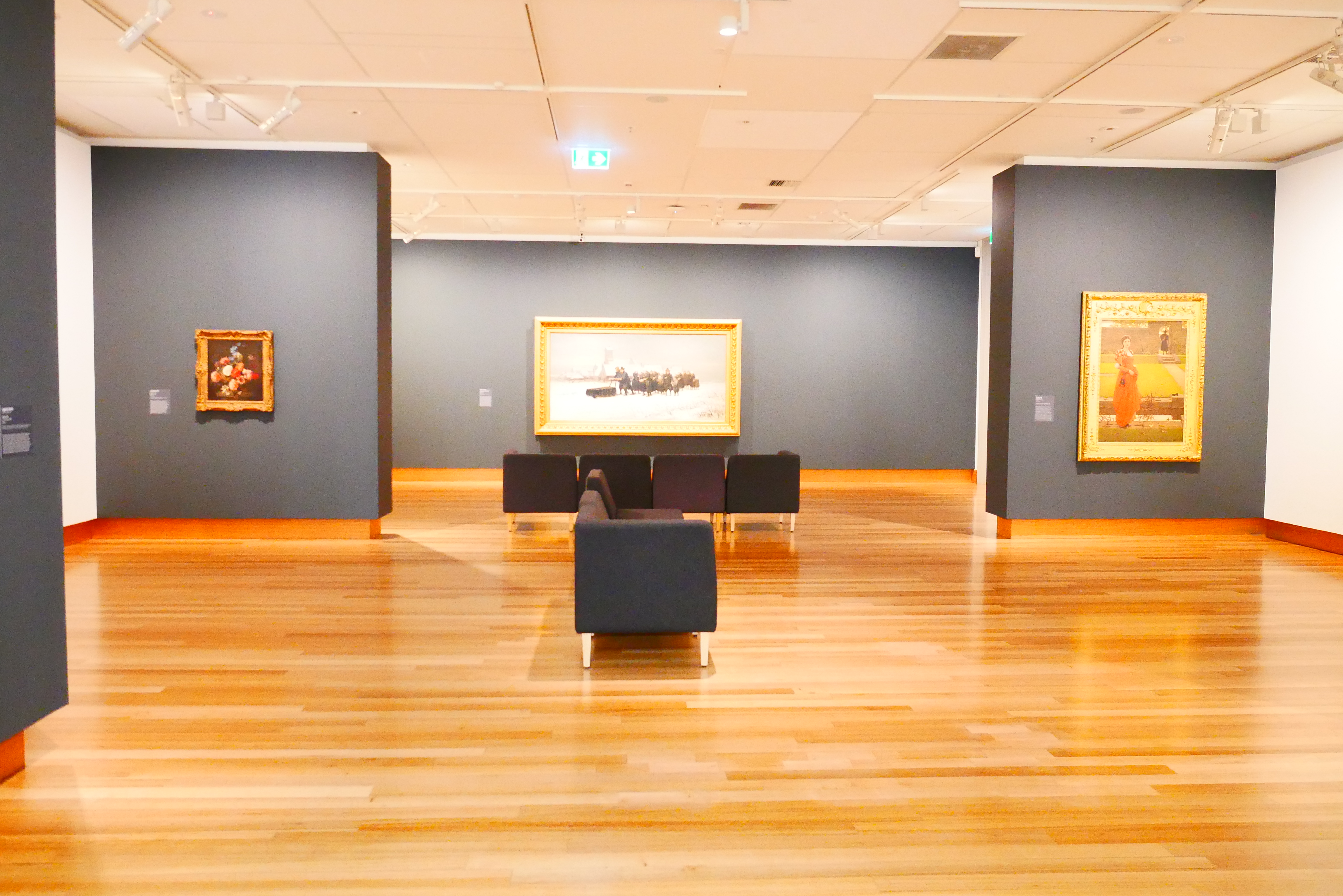
Coromandel is one of those places where culture feels close enough to touch. One minute you are looking at bush and water; the next, you are standing in front of a print, a bowl, a painting, or a carved object that tells you something about the people who live here. It is very easy to spend a whole trip collecting views and forget that a region also has a creative heartbeat. Coromandel politely refuses to let you make that mistake.
If you are planning a stay at Koru Riverside Retreat, an art day gives your trip a different rhythm. The short version is simple: start with the Coromandel Peninsula overview for the big picture, glance at Creative New Zealand for the wider arts context, and then leave room for a few local stops that feel personal rather than rushed. If you like comparing how galleries shape a visit, the sites for the Christchurch Art Gallery and Auckland Art Gallery are useful reference points for the calm, visitor-friendly feel worth looking for.
What do you get from that mix? A better sense of place, a few conversations with makers, and maybe one object you will still remember after the trip. That is a better souvenir than a key ring that says “Coromandel” in six fonts and somehow still feels deeply committed to disappointment.
Below is a plain-language guide to the local art scene, the kinds of studios and events that are worth your time, and a simple way to fold culture into a Koru stay without turning the holiday into a spreadsheet.
A quick map of Coromandel’s art scene
The easy answer is that Coromandel works well for art because the region already encourages looking closely. The scenery is strong enough to make you slow down, and that slower pace is exactly what good art browsing needs. You do not want to rush past a gallery window the way you rush past a petrol station. You want time to notice texture, shape, colour, and the little hand-made details that tell you a person actually made the thing in front of you.
In practice, that means you will usually find a mix of small galleries, working studios, markets, and maker spaces rather than one huge museum-style district. That is a feature, not a flaw. Local art areas are often more interesting when they feel a bit scattered, because the walk or drive between stops becomes part of the experience. The whole outing starts to feel like a conversation instead of a checklist.
| Term | Plain version | Why it matters |
|---|---|---|
| Studio | The place where an artist makes work, and sometimes sells it too. | You can often see works in progress, which makes the finished piece easier to understand. |
| Gallery | A space where finished artwork is displayed for visitors. | Good galleries help you compare styles quickly without needing a degree in art history. |
| Arts trail | A self-guided route linking studios, galleries, or craft stops. | It gives structure to a day without making it feel overplanned. |
| Maker market | A market where handmade goods are sold directly by the people who made them. | Useful for prints, ceramics, cards, jewellery, and easy gifts that do not need a suitcase of their own. |
If you only remember one thing from this section, remember this: art in Coromandel is often less about grand scale and more about connection. You are not just looking at objects. You are meeting the way the region sees itself.
Local artists and studios to visit
The best studios are usually the ones that let the work do the talking. A good visitor stop does not need a sales pitch that could power a small airport. It just needs a clear display, a bit of context, and enough room to notice what the maker has done with material, colour, and form.
When you are choosing where to go, look for variety rather than volume. A small room with three excellent pieces is often more memorable than a wall full of things that all look like they were designed to match a waiting room. In Coromandel, that variety can show up in a few familiar forms:
- Painting and printmaking that pick up local light, native bush, coastlines, and changing weather.
- Ceramics and pottery where glaze, shape, and surface matter as much as the object’s function.
- Jewellery and metalwork that turn small materials into pieces you can actually wear without needing an instruction manual.
- Carving and wood-based work that leans into texture, grain, and hand-finished detail.
- Textiles and mixed media for visitors who like colour, layering, and objects that seem to keep revealing new details the longer you look.
When you step into a studio, three questions usually tell you more than a long speech ever could:
- What material did you start with?
- What part of this was the hardest to make?
- Which piece here best represents the local area?
Those questions are simple, but they open the door to good stories. A potter may talk about kiln temperature or clay body. A painter may point out the way the light changes at different times of day. A jeweller may explain why one metal finish lasts better than another. Suddenly the work is not just pretty; it is readable.
| What to look for | Why it matters | A good follow-up question |
|---|---|---|
| Visible brush marks or tool marks | They usually show that the work was made by hand rather than assembled in a hurry. | “What part of the process leaves the strongest trace?” |
| Local themes or materials | They help the work feel rooted in the place you are visiting. | “Did this come from a local landscape, story, or material?” |
| Pieces that come in several sizes or variations | That usually signals a maker who is comfortable adapting the work for different buyers. | “Do you take custom orders or commissions?” |
| Work-in-progress notes or sketches | They show the thinking behind the finished object. | “Can you talk me through the process from sketch to final piece?” |
A small practical tip: if you love the work but are not ready to buy, ask for a card or a website instead of trying to force a decision on the spot. That keeps the visit pleasant for everyone, including your future self, who may be standing in the retreat later saying, “Actually, I did want that blue bowl.”
Cultural events and festivals
Coromandel culture does not live only on gallery walls. It shows up in markets, open-studio weekends, seasonal fairs, heritage events, and the occasional performance that makes a sleepy afternoon feel a little more awake. If you time a visit well, you can move from browsing objects to hearing the stories behind them, which tends to make the region feel warmer and more specific.
That is also where the broader arts ecosystem matters. National references like Creative New Zealand are useful when you want a sense of how arts activity is supported across the country, while a local gallery stop gives you the practical version of the same idea: people making things, showing them, and inviting you in. The exact format changes from town to town, but the basic pleasure is the same.
Good culture days usually share a few traits:
- They are seasonal. Some of the best events happen when artists open their doors together or when a town calendar thickens for the holidays.
- They mix forms. You might see paintings, ceramics, jewellery, photography, music, and food all in the same afternoon.
- They leave time for conversation. A good event gives you space to ask questions instead of shuffling through like you are late for a meeting with your own calendar.
If you like the idea of one culture stop leading naturally into another, think of it this way: a gallery visit can be the quiet opening act, a market can be the lively middle, and a local café can be the place where you decide which object you keep thinking about. That is a perfectly respectable three-part structure for a holiday day out.
For visitors who enjoy seeing how larger institutions frame art, the sites for the Christchurch Art Gallery and Auckland Art Gallery are useful examples of how a well-designed visitor experience can make art feel open rather than intimidating. You do not need to compare Coromandel to a city gallery directly; the point is simply to notice what kind of atmosphere helps you enjoy art most.
How to incorporate art into your stay
The easiest way to fit culture into a Koru stay is to keep the day light. You do not need a packed itinerary to have a good art experience. In fact, the more room you leave between stops, the more likely you are to notice the kinds of details that make the outing memorable.
Here is a simple structure that works well for most visitors:
| Part of the day | What to do | Why it works from Koru |
|---|---|---|
| Morning | Start with a relaxed breakfast, then visit one gallery or studio. | You begin with a calm head and a fresh eye. |
| Late morning to lunch | Stop for coffee, brunch, or a short walk between venues. | It keeps the day from feeling rushed. |
| Afternoon | Choose one more cultural stop, such as a market, an exhibition, or a small heritage visit. | You still have enough energy to enjoy it properly. |
| Evening | Head back to the retreat, unpack the day, and let the quiet do its job. | The hot spa, river views, and self-contained setup give you an easy landing place. |
The retreat’s self-contained layout is especially helpful here because it removes the usual holiday friction. You do not have to keep asking, “Where are we eating?” or “What time does everything close?” You can come back with a tote bag, a sketchbook, a camera roll full of paintings, and the satisfying feeling that your afternoon did something real.
If you want the practical overview of the accommodation first, start with the Home page. If you want a bit more background on the setting and the way the retreat is put together, the About page gives you the quick map. Then, if the plan is turning into an actual booking, the Contact page is the shortest route to a conversation.
One of the nicer things about combining culture with a retreat stay is that the art does not have to compete with the setting. They can support each other. A gallery visit gives your eye something new to notice; the bush and river give your brain somewhere quiet to file it all away. That combination is hard to beat.
A few easy ways to make the most of local culture
- Pick one focus. Decide whether you want ceramics, paintings, photography, or mixed crafts before you leave, so you are not trying to see everything at once.
- Leave a little budget for small work. A print or card is a nice way to bring home a memory without needing a crate and a forklift.
- Talk to the maker. Even a short conversation usually reveals more than a brochure.
- Keep one slot open. Some of the best finds come from the unplanned stop between the planned ones.
- Return slowly. The retreat is better enjoyed when the day ends the way it started: calm, not noisy.
That last point is worth repeating because it is easy to forget on a good day out. Art days work best when you give them a proper landing. A walk, a good meal, a quiet deck, and a view of the river do a fine job of that.
Conclusion and booking information
Coromandel is rich in more than scenery. It has makers, galleries, events, and small cultural stops that reward anyone willing to slow down and look. If you build a retreat stay around those experiences, you get a holiday that feels both restful and more connected to the place you visited. That is the sweet spot: enough activity to feel inspired, enough quiet to actually remember it.
If you are ready to plan the practical side, use the Contact page or email [email protected] to ask about availability. If you want a peaceful base between gallery stops, Koru Riverside Retreat gives you the privacy, river views, and easy self-contained comfort that make a culture day feel like a proper break instead of another errand.
Key takeaways:
- Coromandel’s art scene is easiest to enjoy when you keep the pace relaxed.
- Studios, galleries, maker markets, and seasonal events each show a different side of the region.
- A simple day plan works better than an overstuffed itinerary.
- Koru Riverside Retreat gives you a quiet, self-contained place to return to after the cultural stops.