I keep coming back to a simple question: when did rest become something we have to schedule like a meeting?
If you are considering a digital detox, the questions usually arrive fast. How do you step away without feeling cut off? What changes when the phone stays in the drawer for a while? And how do you make the break feel restful instead of awkward?
There is a good reason the topic keeps resurfacing. The Mental Health Foundation links stronger nature connection with better mood and lower anxiety, while the Sleep Foundation explains that blue light and evening screen use can interfere with sleep. Put simply, less screen time and more time outdoors can make it easier to settle, sleep, and reset.
That is the point of this guide. I will walk through what a digital detox means at Koru, why it helps, how the retreat makes it easier, and which screen-free activities fit the setting best. The useful takeaway is not that everyone needs to reject devices entirely. It is that a well-chosen pause can make everything else feel more human.
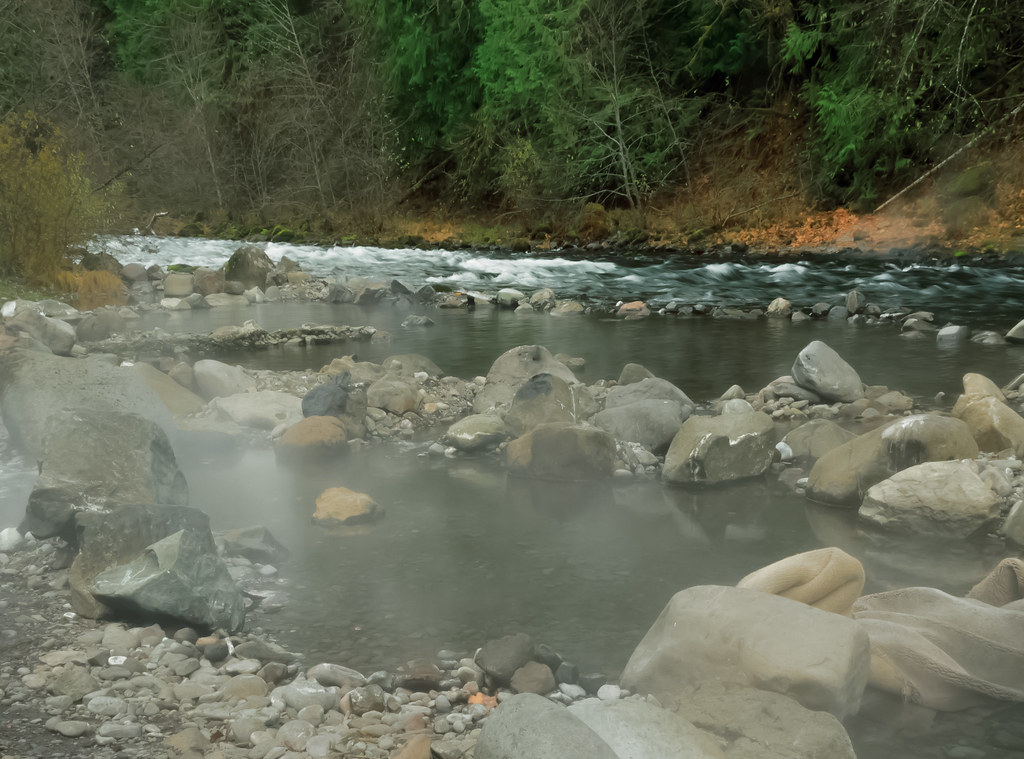
What a digital detox actually means
A digital detox does not have to mean throwing a phone into the river and communicating only through meaningful glances. At its simplest, it means taking a deliberate break from screens, notifications, and the habit of checking every small ping as if it were a weather warning.
For a stay at Koru, the goal is usually more modest and more useful: reduce digital noise so you can notice the setting you came for. That might mean leaving work email alone for a weekend, moving social media off the center of the trip, or setting specific times when you do check in. It is not about proving discipline. It is about making room.
Digital overload tends to show up in ordinary ways. You feel scattered after reading too many things at once. You reach for your phone without deciding to. You find it hard to relax even when nothing urgent is happening. By the time that pattern becomes obvious, a quiet retreat can feel less like a luxury and more like a correction.
At Koru, the setting itself helps with that correction. The private self-contained layout, bush surroundings, and river edge make it easier to stop performing for a screen and start paying attention to the day in front of you. That is a different kind of rest, and it usually lands deeper.
Why disconnecting helps
People usually do not need a lecture to know they are tired of screens. What they need is a practical reason to choose differently. A digital detox helps because it reduces the number of small decisions your brain has to make and lowers the background tension that comes from being continually reachable.
The American Psychological Association has highlighted research showing that access to green space can reduce stress and mental fatigue. That fits the retreat experience well. Nature is not a magic trick, but it is a good environment for mental downshifting.
1. Mental clarity improves when input drops
Constant alerts can leave the mind in a state of partial attention. You are technically present, but not fully present anywhere. When the input slows down, attention has a chance to settle. That can make conversations feel fuller, reading feel easier, and even ordinary tasks feel less noisy.
At Koru, this matters because the retreat is already a calmer environment than the one most people leave behind. The bush, the river, and the self-contained layout give you fewer interruptions and fewer reasons to snap back into reactive mode. The result is not dramatic at first. It is more like noticing that your shoulders are not up around your ears anymore.
2. Sleep usually gets better when the evening screen habit eases
Blue light is not the whole story, but it is part of it. The bigger issue is that screens keep the brain engaged later than most people intend. A quick glance becomes twenty minutes. Twenty minutes becomes one more message. Then the night is no longer a wind-down; it is a feed.
That is where the retreat setting helps again. A warm soak, a book, a quiet drink, or a slow walk outside is a better transition into sleep than one more pass through notifications. If you have ever been in a place where the room seems to tell you to lower your voice, you already know how much easier rest becomes when the environment cooperates.
3. Relationships tend to feel more present
One of the simplest benefits of a digital detox is also one of the most important: people talk to each other more. Not because they are forced to, but because there is less competition for attention. A dinner conversation without a phone beside the plate changes shape. So does a morning coffee. So does the long, wordless stretch when two people are content to sit by a river and not announce it.
If you are visiting for a couple’s break, the Relaxation & Romance page captures part of that mood already. A digital detox does not create connection from nothing; it just removes some of the interference.
4. Creativity returns when there is room to think
Creative thinking rarely improves when the brain is given a constant stream of other people’s opinions, updates, and interruptions. It improves when there is some empty space. That space can look unproductive from the outside. In practice, it is where ideas start to breathe.
That might mean you finally write a few pages in a journal, sketch the next quarter of life instead of doom-scrolling through it, or simply remember a question you actually care about. The point is not to be brilliant on purpose. The point is to let the mind stop being crowded.
A simple comparison of screen time and retreat time
Sometimes it helps to make the trade-off concrete. A digital detox is not an abstract wellness slogan; it is a set of small swaps.
| Common screen habit | What it often does | What Koru gives you instead |
|---|---|---|
| Checking messages every few minutes | Splits attention and keeps the mind on alert | Quiet surroundings where nothing demands immediate response |
| Late-night scrolling | Delays sleep and keeps the brain stimulated | A hot spa, a book, and a natural cue to slow down |
| Switching between apps and tabs | Creates mental friction and a sense of unfinished business | One setting, one view, one pace |
| Trying to “rest” while staying online | Makes downtime feel like another task | Space to actually switch off |
How Koru makes disconnection easier
Not every place helps you disconnect. Some properties claim to, then surround you with reminders, screens, and schedules that still behave like the city never left. Koru takes a calmer approach. The retreat is private, self-contained, and set up so that the surroundings do some of the heavy lifting.
That matters because a digital detox works best when the environment supports the decision. If you need to keep explaining yourself, the break starts to feel like resistance. If the room, view, and pace all say the same thing, the choice becomes easier.

Private space reduces the pressure to perform
In a private retreat, there is less social friction. You are not sharing a breakfast room with ten people all pretending not to check the time. You are not trying to relax while keeping an eye on whether a common area is about to fill up. The day belongs more fully to you.
That kind of privacy is useful for digital detox because it removes the subtle pressure to stay “on.” You can read. You can nap. You can wander outside and come back. None of it needs to be posted, timed, or explained.
The bush setting makes the pause feel natural
Nature is not merely decoration here. It is part of the method. The sound of water, the texture of the bush, and the slower visual rhythm of trees and riverbanks all help shift attention away from the digital habit of searching for the next thing.
If you want a deeper sense of the location balance, the Far Away So Close page is a good companion read. The retreat feels tucked away from the noise, yet it remains practical to reach and easy to enjoy. That combination matters more than people often realize. A place can be remote enough to settle you without being inconvenient enough to make you anxious about the trip.
The hot spa gives the evening a different center of gravity
One of the easiest ways to break a screen habit is to replace it with a ritual that feels genuinely better. At Koru, the hot spa is that ritual for many guests. Warm water changes the body first, and the mind follows. The evening no longer needs to be filled with digital fragments to feel complete.
If that sounds like the kind of stay you want, the Indulge and Enjoy page shows how the retreat frames those quieter comforts. A digital detox does not ask you to do less for the sake of it. It asks you to choose what actually restores you.
Screen-free things to do while you are at Koru
The best digital detoxes are not empty. They are full of ordinary things that become meaningful once they are no longer competing with a screen. You do not need a packed itinerary. You need a few good anchors.
- Take a nature walk: let the bush, river, and light do the scheduling for a while.
- Read something you actually want to finish: not an article tab you opened three days ago and never came back to.
- Journal without editing yourself: write what feels obvious, unfinished, or oddly important.
- Share a slow meal: if you are traveling with someone, put the phone away before the food arrives.
- Soak in the hot spa: treat it as a real pause, not a quick add-on between activities.
- Watch the light change: that sounds simple because it is simple, and simple is often what the nervous system wants.
- Rest properly: not as a reward, not as a productivity tactic, but because the room is already giving you permission.
The homepage gives the broader sense of the retreat, but the real advantage of a stay like this is how ordinary the good moments become. You do not need to manufacture them. They are already there.
A practical plan for a screen-light stay
If you like structure, it helps to define the detox before you arrive. That way you are not negotiating with yourself every five minutes after check-in.
- Set one clear rule. For example: no work email, no social media, and no phone in the bedroom after sunset.
- Tell the people who need to know. If someone might worry, let them know how they can reach you in an actual emergency.
- Choose your replacement habits. A book, a notebook, tea, a long soak, or a short walk all work better than vague willpower.
- Give yourself one check-in window if needed. A small, planned window is better than compulsive checking all day.
- End the evening with a repeatable ritual. The nervous system likes patterns. Lights down, devices away, warm water or reading, then sleep.
This is where the retreat experience starts to feel more intentional. You are not simply avoiding screens. You are designing a different pace for a few days. That distinction matters. One is resistance. The other is rest. Behind the scenes, even a quiet retreat benefits from clean booking and enquiry handling; some teams use a web app generator to keep routine admin simple and leave more room for the guest experience.
What if you still need to be reachable?
Not every guest can go fully offline, and that is fine. A digital detox can still be useful if you keep it practical. The point is not to create anxiety by pretending the outside world does not exist. It is to reduce unnecessary contact while keeping true emergencies covered.
If that is your situation, the cleanest approach is to decide in advance what counts as urgent, what can wait, and who should know your boundaries. That way the phone becomes a tool again rather than a habit with authority.
There is a subtle difference between being available and being interruptible. A retreat like Koru is well suited to the first and not particularly interested in the second. That is part of its charm.
What to avoid if you want the break to work
Digital detoxes usually fail for ordinary reasons, not dramatic ones. The most common mistake is keeping one foot in the old habit and hoping the new one will somehow win on points. If the phone stays on the pillow, notifications stay on, or the first move every morning is still checking messages, the break never really gets traction.
A better approach is to decide what the boundary actually is. You do not need to be severe about it. You do need to be clear. Clarity lowers friction. Friction is what usually sends people back to the screen before the reset has a chance to happen.
- Do not make the detox a test of character. The goal is to rest, not to prove you are above ordinary human habits.
- Do not keep every notification active. A quiet device is still a device that keeps asking for attention.
- Do not try to fill every minute. Empty space is part of the benefit, not a planning failure.
- Do not turn one check-in into a long session. If you need to look once, do that, then close the loop and move on.
There is also value in setting an arrival ritual and a departure ritual. On arrival, put the phone away before the stay begins to feel ordinary. On departure, give yourself a final quiet hour so you leave with the slower pace still intact rather than snapping immediately back into the old rhythm. That small buffer often matters more than people expect.
In other words, the detox works best when it is not treated like a dramatic event. It works when it is treated like a simple decision that gets repeated. Koru is well suited to that kind of repeatable calm.
How to know the detox is working
You do not need a lab report to notice whether the break is helping. A good digital detox often shows up in small, practical ways:
- You stop reaching for the phone out of reflex.
- Your attention stays with the conversation or the view for longer.
- You sleep more deeply or feel less “wired” at night.
- You find yourself reading, walking, or resting without needing to justify it.
- You return home with a clearer sense of what is actually draining you.
Those changes may sound modest. They are not. In a life full of small interruptions, regaining even a little uninterrupted attention is a real gain. It is also one of the few wellness outcomes that does not require a subscription.
Final thoughts and booking next steps
A digital detox at Koru Riverside Retreat works because the setting supports what the idea promises. The bush softens the pace. The river resets attention. The hot spa gives the evening a quieter center. And the privacy makes it easier to leave the digital reflex behind for a while.
The real benefit is not just less screen time. It is more room for rest, conversation, sleep, and the kind of noticing that usually gets crowded out. That is a modest sentence, but it describes a pretty good weekend.
If you are planning a stay, start with the contact page to ask about dates and booking details, then revisit Relaxation & Romance, Indulge and Enjoy, and the Far Away So Close page to shape the kind of break you want. The best digital detox is the one that leaves you calmer than it found you.