I like retreats that change character with the weather. Koru Riverside Retreat does that well: winter leans into warmth and privacy, spring opens the bush, summer stretches the day, and fall brings the kind of quiet that makes a long weekend feel longer.
When someone starts searching for a year-round stay, they are usually asking the same practical questions. What is actually different in winter? Is the setting still appealing when the weather changes? Can you still mix relaxation with a little adventure? And does a retreat like this work for both romance and a working holiday? As John Muir put it, “In every walk with nature one receives far more than he seeks.” That is a good reminder for any stay that puts a river, bush, and open air at the center of the experience.
For a quick read on the conditions that shape those decisions, I keep the MetService forecast in mind for weather and the Department of Conservation in mind for walking basics and outdoor care. They do not choose the stay for you, but they help you choose it with a clear head.
By the end of this guide, you will know what each season feels like at Koru, which activities fit the weather, how to plan a stay that blends rest with light adventure, and how to book without turning a simple break into a spreadsheet.
What seasonal really means at Koru
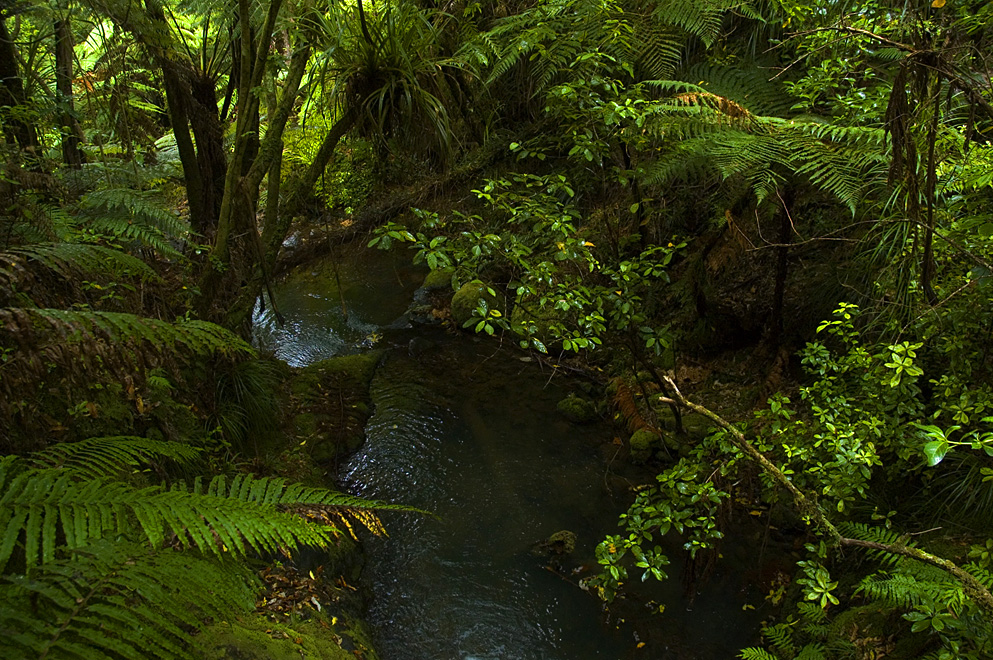
At some places, “seasonal” means the property is only interesting for part of the year. That is not the model here. At Koru Riverside Retreat, seasonal change is more like a shift in operating mode. The same private, self-contained retreat still gives you privacy, comfort, and space. What changes is the way you use it.
In winter, the retreat leans inward. Guests tend to stay longer in the spa, linger over coffee, and use the rooms as a quiet base for a slower break. In spring, the bush around you starts to feel more awake, and the stay naturally expands into more outdoor time. Summer stretches that outdoor rhythm even further. Fall, meanwhile, gives the property a cleaner edge: cooler air, softer light, and a pace that rewards smaller plans.
That matters because Koru is not the kind of place you “do” in one dramatic burst and then move on from. It is the kind of place you settle into. If you want the broader retreat picture first, start with the homepage and the Far Away So Close page. Those two pages make the location logic obvious: privacy, but not isolation; bush setting, but not the middle of nowhere theater some places like to perform.
A season-at-a-glance map
| Season | What changes | Best activities | Why guests book |
|---|---|---|---|
| Winter | Cooler mornings, earlier evenings, stronger contrast between indoors and outdoors | Hot spa time, slow walks, reading, cooking, remote work in long blocks | Privacy, warmth, and a proper reset |
| Spring | Fresh growth, bird activity, longer days, lighter energy | Nature walks, photography, breakfast outside, easy exploring | A softer return to movement |
| Summer | Longest outdoor window, more daylight, more time to stretch the day | Hiking, kayaking, deck dinners, day trips, stargazing | Adventure plus comfort |
| Fall | Clearer air, calmer pace, more space for quiet plans | Photography, relaxed walks, reading, slower mornings, spa evenings | Reflection, recharge, and fewer moving parts |
Winter activities and amenities
Winter is the easiest season to misunderstand. People hear “winter getaway” and imagine compromise. At Koru, winter is less about compromise and more about contrast. The weather outside makes the warm, private parts of the stay feel better. That is not a gimmick; it is just good system design. The retreat’s strongest winter feature is the way it turns simple comforts into a full experience.
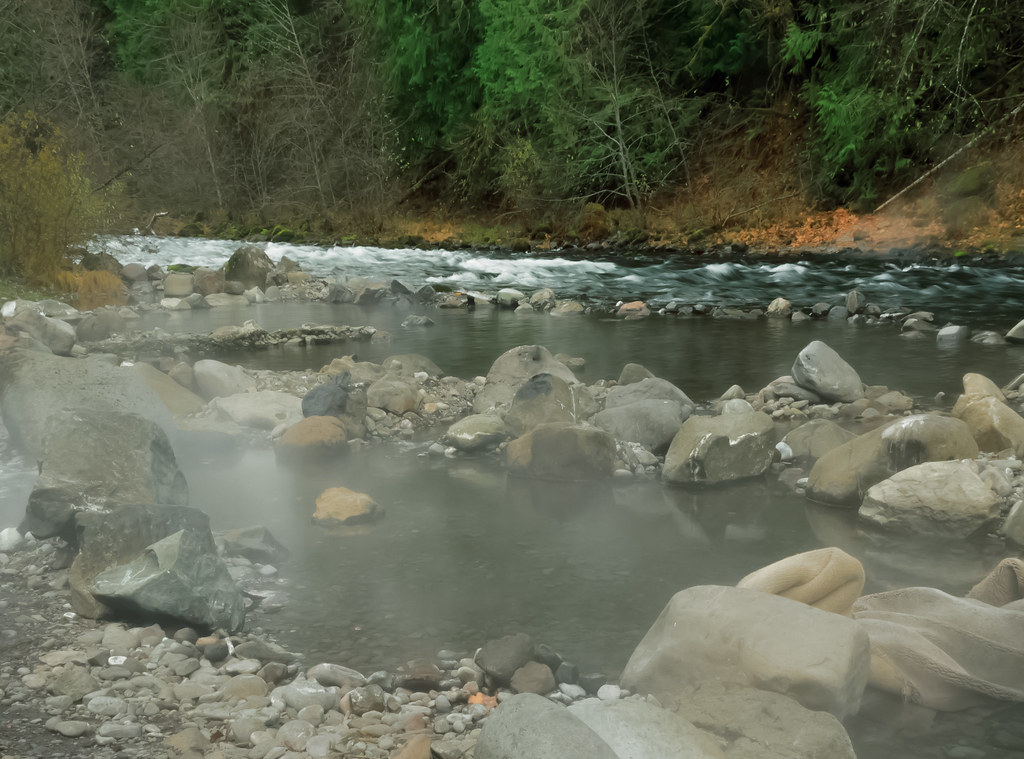
The private hot spa becomes the center of gravity
The private hot spa is the winter move. It gives you a reason to step outside, but it never asks you to stay out longer than you want. That balance is why people return to it again and again over the course of a stay. A soak before dinner feels different from a soak after dinner. A soak after a walk feels different again. In winter, that one amenity can quietly anchor the entire trip.
If you are planning a romantic stay, the winter spa rhythm pairs naturally with the ideas on Relaxation & Romance and Indulge and Enjoy. Those pages are not just decoration; they point to the part of the retreat where comfort, privacy, and atmosphere carry the load. You do not need a program. You need a setting that makes the good choices easy.
Short walks, long views, and a smaller schedule
Winter walks at Koru are usually not about heroic mileage. They are about stepping into the bush, noticing the stillness, and coming back ready for something warm. A small walk before breakfast can be enough to reset your head. A short river-side wander in the afternoon can do the same. The DOC guidance is useful here because it keeps the basics simple: check conditions, dress for the ground under your feet, and respect the weather before you go drifting off into a romantic idea of yourself as a rugged outdoor soul.
That is the trick with winter. The retreat is not trying to turn you into an expedition leader. It is offering a good enough outdoor loop to make the indoor time feel earned.
A winter working holiday works better than people expect
Winter is often underestimated as a working holiday season, which is a mistake. Cooler weather can actually make it easier to settle into a focused rhythm: work in concentrated blocks, take a proper lunch break, then use the late afternoon for recovery rather than trying to squeeze in a long adventure. A quiet, self-contained stay creates a cleaner boundary between work and rest, which is the real challenge on any remote-work trip.
If you are bringing a laptop, winter helps because the day has a natural structure. Morning focus block. Midday break. Short outdoor reset. Evening spa or dinner. That shape keeps the week from blurring into one long screen-lit rectangle, which is a modern problem I would gladly retire if the world would allow it.
What to pack for winter
- Warm layers that you can remove easily after a spa session
- Comfortable shoes with enough grip for damp ground
- A book, downloaded playlist, or simple offline project
- Snacks or drinks you want for low-key evenings
- One extra layer for early morning and post-soak air
In short, winter at Koru works best when you lean into what the property already does well: privacy, warmth, and space to slow down without feeling stranded in the process.
Spring and summer offerings
Spring and summer are when the retreat opens outward. The same bush setting becomes brighter, the days lengthen, and the stay naturally invites more movement. This is the stretch of the year when guests tend to split their time between the property and the surrounding region, which is exactly how it should be. A retreat should be a base, not a cage with nicer linens.
The bush wakes up in spring
Spring brings the first sense that the landscape is reloading. Growth becomes visible. Bird activity becomes harder to ignore. Even the air feels a little more deliberate. This is a strong season for guests who want a quieter pace but still want to feel connected to the outdoors. Breakfast outside starts to make sense again. The light gets friendlier for photos. A late-afternoon walk feels less like a task and more like a natural extension of the day.
Spring is also one of the easiest seasons for couples and working-holiday guests to share a stay without stepping on each other’s rhythms. One person can head out for a walk or a short local drive while the other settles into work or a slow start. The retreat handles both modes well because it gives each guest enough breathing room to do their own version of a good day.
Summer is for longer days and lighter plans
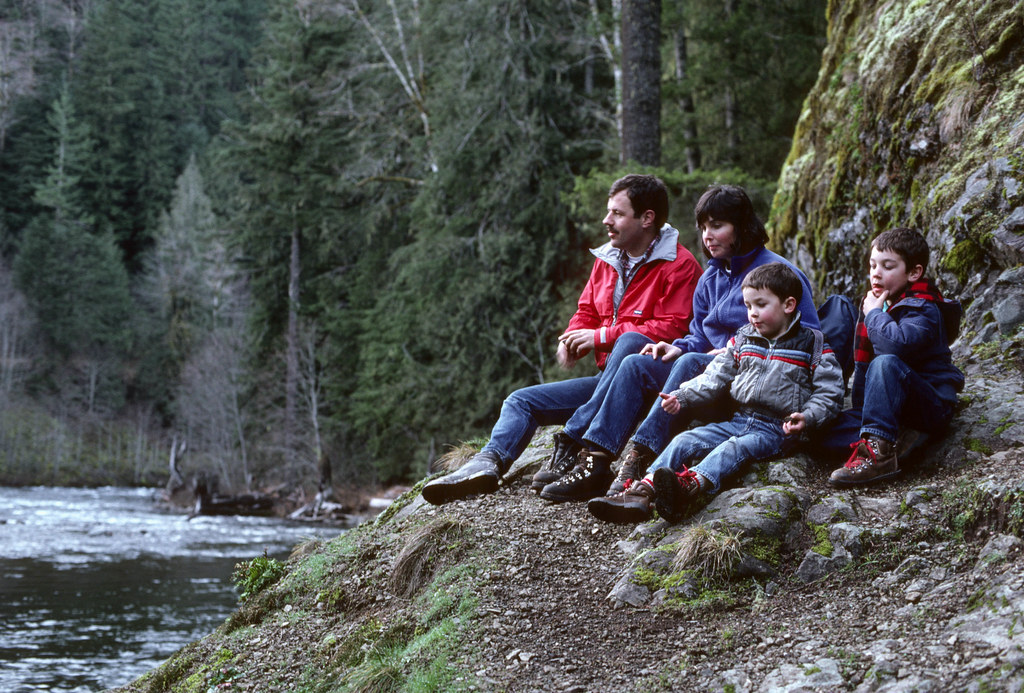
Summer at Koru is not about filling every hour. It is about having enough daylight to let the day breathe. That makes it a strong season for hiking, kayaking, and easy regional exploring. A morning activity can still leave room for a lazy lunch. A day trip can still leave an evening for the spa. When the light lasts longer, the schedule gets more forgiving, and that is when a retreat starts feeling generous instead of merely comfortable.
For a broader sense of the region’s outdoor appeal, the official Coromandel tourism site is a useful place to scan what is happening nearby. That does not mean you need to turn the stay into a checklist. It just means the area gives you options when you want them: beaches, walks, viewpoints, local food, and the sort of day trip that works best when nobody is trying to be a hero.
Outdoor activities that fit spring and summer well
- Gentle hiking: best for guests who want movement without turning the stay into a fitness event.
- Kayaking or water-based outings: a natural fit when the weather is settled and daylight is generous.
- Deck breakfasts and late dinners: simple rituals that feel more luxurious when the temperature cooperates.
- Birdwatching and photography: especially strong in spring when the bush has visible energy.
- Local dining or town visits: easy to fold in because the retreat still leaves room for a short outing and a calm return.
One of the best things about spring and summer at Koru is how naturally the retreat fits both romance and exploration. You can spend part of the day outside, then come back to a setting that still feels private enough to reset the tone. That combination is rare enough to be worth naming plainly: you get movement without losing the retreat feeling.
What a good summer day might look like
Here is one simple example. A couple wakes up slowly, makes coffee, and eats breakfast outside if the weather is kind. They head out for a local walk or a short drive, come back for lunch, spend the afternoon reading or working in separate corners, and then finish with a long evening on the deck. The final move is the one people remember: a quiet night, a warm soak, and a sky that is dark enough to make stargazing worth the effort.
That is not a complicated itinerary. That is the point. Good summer stays usually work because they create enough space for the day to become what it wants to be.
Fall attractions and experiences
Fall is the most underrated season for a place like Koru. The crowd energy drops. The air gets cleaner. The light softens. And suddenly a quiet getaway feels even more deliberate. If summer is about range, fall is about precision. You choose fewer things, but you choose them better.
Cooler air makes the retreat feel sharper
As the weather eases off, the contrast between outdoors and indoors becomes part of the appeal again. A walk feels crisp. A drink on the deck feels earned. A hot spa session becomes less of a pleasant option and more of an excellent idea. That is why fall is such a dependable season for guests who want a calm getaway without the social pressure that sometimes follows peak travel periods.
Fall also suits couples who want room to talk, think, and not be scheduled to death. The retreat does not demand a big agenda in this season. It rewards a smaller one.
Fall is a photographer’s season
Soft light is friendly to almost everyone except the most committed dramatic pose. The bush looks richer in tone. Shadows get longer. And even an ordinary walk can produce the kind of photos that make a trip feel more vivid when you look back on it later. If you like taking pictures, fall is a season where the retreat environment does half the composition for you.
That is especially useful if your stay is part of a longer working holiday or a reflective break. You are not forced to choose between doing something and noticing it. The season gives you enough visual interest to do both at once.
The best fall routine is a smaller one
Here is the rhythm that works well in fall: sleep well, wake up without urgency, make a proper breakfast, step outside briefly, come back in, read or work, and then repeat the process with one meaningful outing rather than three half-finished ones. It sounds almost too simple, which is usually how you know the system is good.
If you want the stay to feel especially romantic, fall also pairs neatly with Relaxation & Romance. If you want it to feel restorative, pair the same season with Indulge and Enjoy. The retreat is flexible enough to support both. That is not a contradiction. It is the whole design.
A practical fall packing list
- A light jacket for early starts and evening air
- Comfortable walking shoes
- A camera or phone with room for photos
- Comfort food or drink ideas for slower nights in
- A notebook if you want the quiet to turn into actual thinking
Four examples of how guests use Koru across the year
Sometimes the easiest way to understand a stay is to picture a few real use cases. These are the ones that make sense here.
- A winter anniversary escape: the couple arrives late, uses the hot spa early, keeps dinner simple, and lets the evening stay unhurried.
- A spring working holiday: one guest works in focused blocks while the other explores the grounds, then they trade off and meet for a long lunch or walk.
- A summer adventure base: the retreat becomes the calm anchor point while guests take off for kayaking, local exploring, or day trips and return for privacy at night.
- A fall reset: the stay is built around reading, slow mornings, a couple of scenic outings, and one or two spa sessions that make the whole trip feel restored.
Those examples matter because they show the retreat is not locked into one use case. It supports romance, rest, a working holiday, and a more active outdoor break without making any of them feel like a compromise.
How I would plan a year-round stay
If I were booking Koru for the first time, I would keep the planning surprisingly simple. That is the whole point of a retreat like this: to remove noise, not add it.
| Planning step | What to decide | Why it helps |
|---|---|---|
| 1. Pick the season first | Decide whether you want winter warmth, spring freshness, summer adventure, or fall quiet | The season shapes the mood more than the itinerary does |
| 2. Choose the primary purpose | Romance, working holiday, reset, or a mix of the three | It keeps the stay from becoming a vague wish list |
| 3. Leave one block of time open | Protect at least one evening or afternoon from plans | That is usually where the best part of the stay happens |
| 4. Match the weather to the activities | Walk when conditions suit it, spa when you want warmth, explore when the day is long enough | You get more value from the same property without forcing anything |
This is not a luxury retreat that needs a complicated prep document. It is a place that rewards a clear intention and a light touch.
Booking information and contact details
When you are ready to book, start with the contact page. It includes the site’s inquiry form and the fallback email path if you want to ask about dates, season fit, or stay length before you commit. The visible contact email on the site is [email protected].
When you write, it helps to include:
- Your preferred travel dates or date range
- Whether the stay is for romance, a working holiday, or a quiet reset
- Whether you want winter spa time, spring outdoor time, summer activity, or fall calm
- Any questions about the self-contained setup or the surrounding area
If you want a broader sense of the property before reaching out, the homepage gives the overall picture, and Indulge and Enjoy is the best next stop if the spa, deck time, and slower evenings are the parts that matter most to you.
What to remember year-round
Koru Riverside Retreat is not a single-season property pretending to be year-round. It genuinely changes with the weather, and that is part of its appeal. Winter gives you warmth and privacy. Spring brings fresh energy. Summer gives you range and daylight. Fall strips away excess and leaves the good parts in focus.
The retreat works because the season never has to do all the work by itself. The setting carries its own value in every month. The weather only changes which part of the experience comes forward first.
If you are planning a romantic escape, a short working holiday, or a long-overdue reset, this is the kind of place that can meet the moment without needing to invent one. Use the contact page to ask about your dates, and let the season do the rest.
Key takeaways
- Winter is ideal for the private hot spa, quiet walks, and slower evenings.
- Spring and summer are the best seasons for outdoor activity, longer days, and light regional exploring.
- Fall is the season for calmer schedules, softer light, and unhurried reflection.
- The retreat works year-round because privacy, comfort, and bush setting stay constant while the mood shifts naturally.
- Booking is simple through the contact page or the site email, with your dates and stay goals in the first message.