The right retreat is rarely the fanciest one; it is the one that matches how you actually want to rest.
When I help someone compare retreat options, I start with a plain set of questions: Do you want privacy or company? Do you want a spa and quiet mornings, or a base for walks and day trips? Do you need a self-contained stay, or are you happy to plan every meal outside the property? And how much of the trip should feel curated versus easy to improvise?
Those questions matter because retreat choice is not just about scenery. It also shapes stress, attention, and the amount of recovery you actually get from the trip. The American Psychological Association notes that exposure to nature is linked with lower stress and better mood in a way that is hard to fake after the fact, while the U.S. National Park Service highlights the health benefits of time outdoors and green space. APA guidance on nature and stress and the NPS overview of health benefits from being outdoors both point in the same direction: the setting is part of the experience, not decoration around it.
That is why choosing well matters. A retreat that fits your needs can feel restorative with very little effort. A retreat that does not fit can become a nicer place to manage the wrong compromises. The difference is usually visible before you book if you know what to look for.
By the end of this guide, you will know how to compare location, amenities, activities, and privacy level; how Koru Riverside Retreat fits into that decision; what past guests tend to value most; and how to move from shortlist to booking without overthinking the whole thing.
What the main retreat terms actually mean
Retreat websites often use familiar words that are not always as clear as they sound. I prefer to define them before people make a decision. A simple term can hide an expensive mistake if two properties use it differently.
| Term | Plain meaning | Why it matters |
|---|---|---|
| Self-contained | You can stay, cook, and settle in without depending on shared facilities. | Good for privacy, longer stays, and low-friction mornings. |
| Private | The stay is set up so your time is not heavily shared with other guests. | Important for romance, recovery, and a slower pace. |
| Amenities | The comfort features that change daily life at the property. | Think kitchen, spa, bedding, deck, access, and parking. |
| Activities | What you can do during the stay or nearby. | Helps you choose between rest, exploration, and a mix of both. |
| Restorative | The stay reduces friction rather than adding more of it. | A useful test for whether a retreat will actually feel like one. |
That last definition is the one I use most often. A retreat should remove small irritations. It should not create a new list of chores dressed up as leisure. The useful question is not whether the property looks good in a photo. The useful question is whether the property helps the trip feel easier to live inside.
The decision criteria that matter most
Once the basic language is clear, the choice becomes much easier to make. I usually compare retreats against seven criteria. That is enough to be honest without turning the decision into a spreadsheet with sunscreen.
| Criterion | What good looks like | Questions to ask | Watch for |
|---|---|---|---|
| Location | Close enough to be practical, far enough to feel removed. | How easy is arrival? Can I still reach town or trails without effort? | Beautiful but awkward access, or a location that sounds remote and is not. |
| Privacy | Quiet time, personal space, and limited interruption. | Will I share facilities? How visible is the property to others? | Shared areas that reduce the sense of escape. |
| Amenities | The features you will use every day, not just admire once. | Is there a kitchen? Spa? Deck? Comfortable bed? Good heating or cooling? | Long lists of extras that do not improve the stay much. |
| Activities | Enough to support your trip style without crowding it. | Do I want walks, local exploring, or mostly quiet time on site? | An activity list that looks busy but does not match your energy level. |
| Booking clarity | Simple, responsive, and clear about dates, expectations, and next steps. | How fast do questions get answered? Is it easy to understand what I am booking? | Vague descriptions, missing basics, or slow inquiry handling. |
| Trip purpose | The property matches why you are traveling in the first place. | Is this a romantic break, working holiday, nature escape, or recovery stay? | Choosing a property because it is popular rather than suitable. |
| Budget fit | The stay feels worth the money after you include time, transport, and meals. | What do I save by having a kitchen or self-contained setup? | Paying for features you will not use. |
The best retreat choice usually is not the cheapest or the flashiest one. It is the one that satisfies the most important criteria without asking you to ignore the rest. That is the whole trick. Everything else is marketing.
How location changes the decision
Location does more than tell you where the property sits on a map. It shapes how much of your time is spent arriving, exploring, and returning to the retreat. If you want a stay that feels open and restorative, the setting should make that easy.
The Coromandel is a good example because official tourism and conservation sources describe it as a region known for coastline, native forest, and memorable outdoor experiences. 100% Pure New Zealand highlights the peninsula as a place for scenery and holiday travel, while the Department of Conservation shows how much of the area is built around walking, forest, and the outdoor pace that comes with both. A trail such as the Kauaeranga Kauri Trail is a useful reminder that the region rewards guests who like to combine accommodation with nature time.
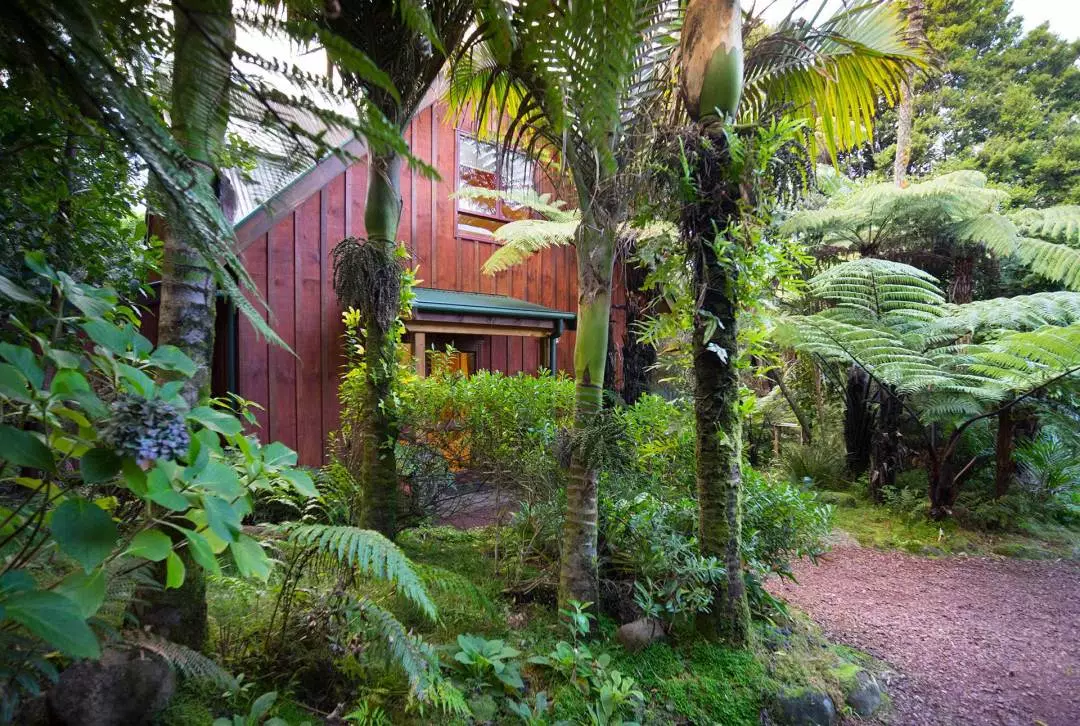
For a retreat like Koru Riverside Retreat, location should be judged on two levels at once. First, is the property itself pleasant and private? Second, is it convenient enough that you can still enjoy local exploring without feeling like every errand has become a drive? Koru is positioned to do both: it keeps the bush-and-river mood while staying practical for Coromandel town access.
That balance matters. A retreat that is too isolated can make simple plans awkward. A retreat that is too central can stop feeling like a retreat after one evening. The best fit sits between those two mistakes.
Which type of traveler are you?
I find it useful to choose retreats by trip style, not by property type. Different guests need different defaults. The right fit for one traveler can be the wrong fit for another, and that is normal.
| Trip style | What to prioritize | What to skip | Best fit question |
|---|---|---|---|
| Romantic escape | Privacy, atmosphere, spa access, quiet evenings, and easy meals. | Busy shared facilities, noisy surroundings, and overplanned schedules. | Will the place help us slow down together? |
| Working holiday | Reliable setup, self-contained comfort, and enough calm to focus. | Constant interruptions, weak space to work, and lots of travel time between tasks. | Can I finish real work here and still feel restored? |
| Nature break | Access to bush, water, walks, and outdoor scenery. | A property that is scenic only in marketing copy. | Can I step outside and immediately feel the setting? |
| Recovery stay | Comfort, quiet, low effort, and flexible pacing. | A schedule packed with things that sound impressive but feel tiring. | Will this stay reduce friction instead of adding it? |
If your answer keeps coming back to privacy and comfort, you are already narrowing the field. That is useful. People often think they need more options. Usually they need better filters.
Why amenities deserve more weight than people give them
Amenities are easy to underestimate because they can sound ordinary. A kitchen, a comfortable bed, a spa, a deck, and good lighting do not create instant drama. They create ease. And ease is what turns a decent retreat into a sensible one.
At Koru Riverside Retreat, the useful amenities are not decorative extras. The property is described as private and self-contained, which means a guest can settle into the stay without constantly arranging the day around shared spaces. That matters for couples, for guests who want a working holiday, and for anyone who would rather cook a simple meal than spend every evening searching for one.
To get a feel for that side of the stay, start with the Indulge and Enjoy page. It shows why the retreat is a stronger choice when comfort is part of the decision, not an afterthought. A hot spa, river access, space to relax, and a private setting are not separate boxes to tick. Together they shape the pace of the whole visit.
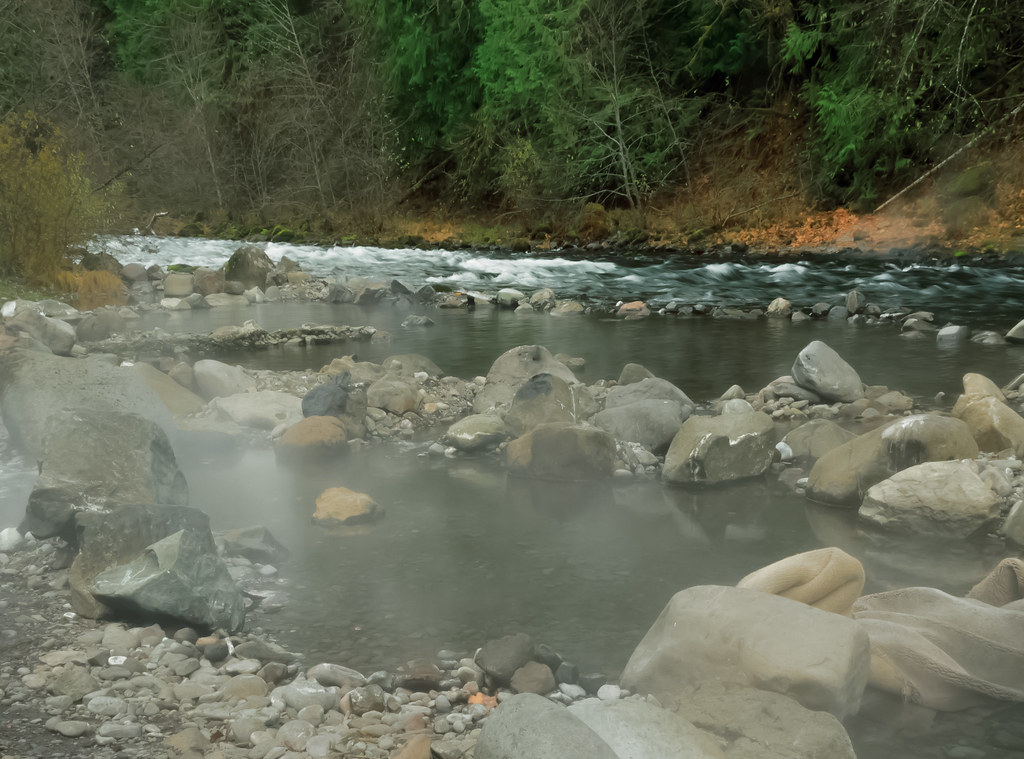
When comparing amenities, I ask a blunt question: will I use this feature on day one, or does it only look good in the listing? A spa used at dusk is a real feature. A decorative promise that never enters the stay is just wallpaper for the sales copy.
Activities should fit your energy, not just your ambition
Some travelers want the retreat to be the destination. Others want it to be a base for active days. Both are reasonable. The mistake is to choose one type of property and then expect it to behave like the other.
If you want the trip to be mostly restful, you should prioritize on-site comfort and a setting that naturally supports slower time. If you want to explore, then you should care more about proximity to trails, beaches, towns, and practical access. The Coromandel rewards both styles, but not every property will.
The Department of Conservation has strong examples of the kind of outdoor experience guests often want nearby, from forest walks to longer day hikes. A place like Coromandel Forest Park shows why travelers keep coming back to this region for bush, birds, and a calmer pace than a standard sightseeing stop. If you want the day to include a serious walk, look at that first. If you want the day to stay quiet, look at how close the retreat feels to nature without requiring a program.
My rule is simple: if the activity list feels exhausting before you book, it will feel worse after you arrive. Choose the property that fits the pace you can actually sustain.
Why Koru might be the right choice
Koru Riverside Retreat is strongest for guests who want privacy, self-contained comfort, and a setting that does some of the relaxing for them. That combination is especially useful if you are deciding between a generic stay and a retreat that feels purpose-built for slowing down.
Here is the short version of the fit:
- For couples: the retreat supports quiet time, shared meals, and a more relaxed rhythm.
- For a working holiday: the self-contained setup makes it easier to balance focus and downtime.
- For nature-led breaks: the river, bush, and Coromandel setting make the surroundings part of the value.
- For short restorative stays: the property reduces friction quickly, which matters when the trip is brief.
That is the real reason the retreat keeps showing up in planning conversations. It is not only scenic. It is easy to inhabit. Many properties can look restful. Fewer are structured in a way that actually helps guests rest.
If you want a broader sense of the atmosphere, the Home page is the best starting point. It gives the overall framing, while Indulge and Enjoy fills in the comfort details. Together they answer the question most buyers are really asking: will this stay feel better in practice than it looks in photos?
What public review excerpts tend to emphasize
There are not always public testimonial blocks on a website, so I pay attention to the patterns that repeat in guest-facing reviews and summary pages. In a third-party roundup of Coromandel stays, Koru Riverside Retreat is associated with phrases like “serene perfection”, “completely private”, and “the beds are so comfortable”. Those are short, plain phrases, which is a good sign. People usually do not invent that kind of language unless the stay made a clear impression.
That combination tells you something important. Guests are not only responding to the scenery. They are responding to the experience of being able to settle in. Privacy, comfort, and a calm setting are the things that tend to survive the memory test after the trip ends.
Here is the useful translation:
| Guest emphasis | What it suggests | Why it matters to you |
|---|---|---|
| Serene setting | The property supports quiet and a slower pace. | Good for recovery, romance, and low-stress mornings. |
| Complete privacy | The stay feels personal rather than shared or crowded. | Important if you want genuine downtime. |
| Comfortable beds | The basics are handled well, which affects everything else. | Sleep quality is not a small detail on a retreat break. |
| Responsive host | The booking and arrival experience may be easier to manage. | Helpful when you want less friction before the stay begins. |
I like this kind of evidence because it is practical. It does not pretend every guest wants the same thing. It simply shows what the property does well. And in retreat selection, that is usually enough.
A simple way to choose without overthinking it
Most retreat decisions get easier when you turn them into a yes or no sequence. I would use this one:
- What is the main reason for the trip? Romance, recovery, work, or exploration.
- Do I need self-contained comfort? If yes, remove properties that depend on shared facilities for basic convenience.
- Will the location help or slow me down? Choose the property that makes your day easier, not the one that adds logistics.
- Which amenities will I actually use? Spa, kitchen, deck, bedding, access, and privacy usually matter more than novelty.
- Can I imagine the stay after the first evening? If the answer is yes, you are probably close to a good fit.
That last question is my favorite because it cuts through the noise. A retreat should become more appealing once you understand it, not less. If your imagination keeps adding friction, trust that signal.
Booking information and the practical next step
If Koru feels like your best fit, the booking path is straightforward. Start with the Home page if you want the overall picture, use Indulge and Enjoy to review the comfort details, and then go to Contact to ask about dates, stay length, or anything specific that matters to your trip.
If you are still comparing retreat options, keep this article open and measure each property against the same criteria. A good retreat choice should make your stay simpler, calmer, and more worth the time you give it. That is the standard.
For operators who are reviewing how inquiries and booking support are handled behind the scenes, a neutral third-party resource on AI consulting services can help figure out where AI fits before automation starts to affect the guest experience. That kind of planning is only useful if it preserves the human side of hospitality and removes obvious admin friction. There is no prize for automating the wrong thing faster.
Key takeaways:
- Choose a retreat by fit, not by scenery alone.
- Location, privacy, amenities, and trip purpose should carry the most weight.
- Koru Riverside Retreat is especially strong for guests who want privacy, self-contained comfort, and a nature-led setting.
- Public review themes point to serenity, privacy, comfort, and responsive hosting.
- The safest reasonable default is to choose the property that makes your stay easier to live inside.
If you want a sensible final filter, ask one last question: will this retreat help me rest the way I actually rest, or just the way the listing says I should?