Plan lightly, but plan on purpose. That is the whole trick behind a good stay at Koru Riverside Retreat. A well-shaped itinerary gives your days a backbone without turning the trip into a spreadsheet with sunscreen.
When people search for the best way to stay in Coromandel, they usually carry the same quiet questions: How much should I pack into one day? Which activities are worth leaving the retreat for? How do I balance rest with adventure? What if the weather shifts and the plan needs to breathe? As Dwight D. Eisenhower put it, “plans are worthless, but planning is everything”. I keep that line close when I build an itinerary: the point is not rigid control, it is better decisions under changing conditions.
The idea matters because Koru is not a place you visit well by accident. The Department of Conservation’s Coromandel guidance and the broader official Coromandel Peninsula overview both make the same underlying point: this region rewards timing, pacing, and a realistic sense of distance. If you want the best version of your stay, the right answer is not “do more.” It is “choose the right mix, then leave room for the place to surprise you.”
By the end of this guide, you will have a practical way to plan a romantic escape, a family stay, or a solo reset without overfilling the day. You will also have a simple structure for choosing one anchor activity, one slower block, and one good reason to return to the retreat before dark.
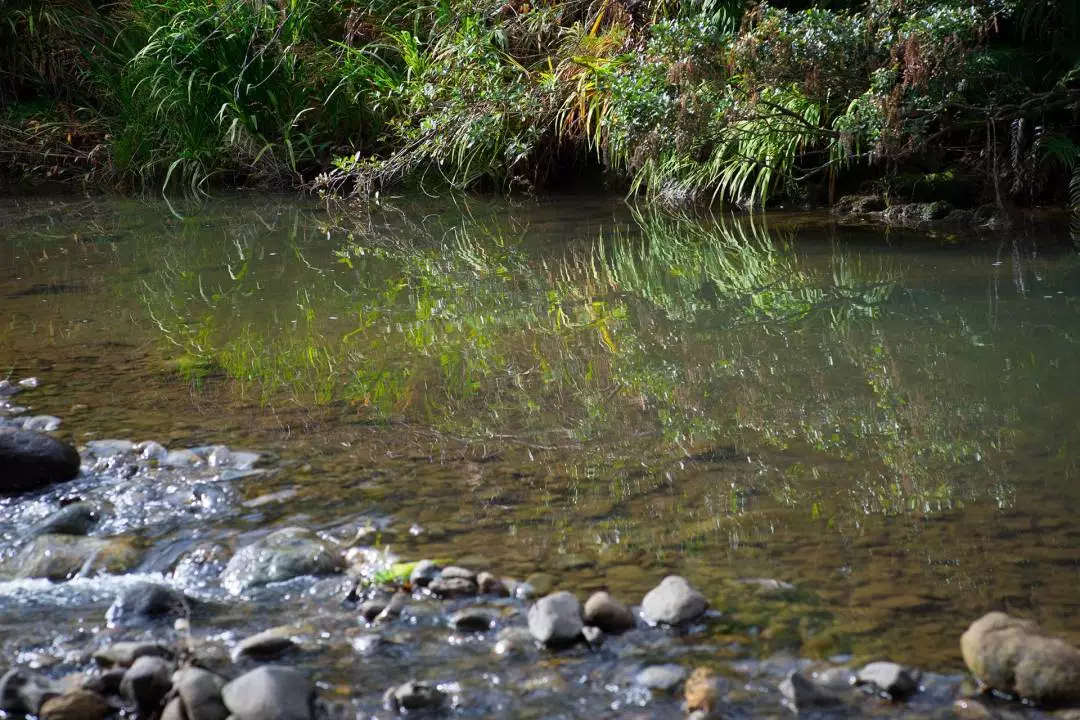
Planning terms I use before I leave the porch
I like to define a few terms before I start building a day around Koru. It keeps the trip from becoming vague in the same way that a half-baked workflow becomes vague: everything sounds nice, nothing gets done, and somehow you are still deciding where lunch should happen at 3:40 p.m.
| Term | What it means | Why it helps at Koru |
|---|---|---|
| Anchor activity | The one outing or experience that gives a day its shape. | It prevents the classic “we did a bit of everything and remember none of it” problem. |
| Buffer block | Unscheduled time between travel, activities, and meals. | It protects the retreat feeling, especially if the road trip or weather is less predictable than the brochure. |
| Reset block | A quiet stretch for reading, soaking, napping, or just doing less. | It keeps the stay luxurious instead of merely busy. |
| Weather-safe plan | A fallback option if conditions change. | The Coromandel can pivot quickly; good plans do too. |
| Departure cushion | Time left before checkout or your next drive. | It turns the last morning from a scramble into a graceful exit. |
Once those terms are clear, the rest gets easier. You stop asking, “What should we cram in?” and start asking, “What actually belongs in this day?” That is a much better question. It is also the question that keeps a holiday from turning into a logistics seminar.
Suggested daily schedules
There is no single correct itinerary for Koru. The right plan depends on who is traveling, how long you are staying, and whether the goal is romance, family time, or a private reset. What follows are three sample schedules I would actually use.
1. Romantic getaway itinerary
If I were planning a couples’ escape, I would keep the first day soft and the second day selective. Romance thrives on space, not on a to-do list that behaves like a hostile manager.
| Time | Plan | Reason it works |
|---|---|---|
| Arrival afternoon | Check in, unpack slowly, take the first walk around the property, and let the place reset your pace. | You arrive before the trip becomes performance art. |
| Late afternoon | Settle on the deck with a drink, read for a while, and keep the first real outing very short. | A short first block keeps the evening open for dinner and conversation. |
| Evening | Private dinner, spa time by the river, and star watching after dark. | This is the kind of sequence that makes the retreat feel deliberate. |
| Next morning | Slow breakfast, one scenic drive, and then back to Koru before the day gets noisy. | It preserves the sense that the retreat is the destination, not just the base camp. |
For a day like this, I usually recommend using Relaxation & Romance as the internal anchor page, because it matches the mood of the stay and keeps the expectations clean. You are not trying to “max out” anything. You are trying to create a day that feels expensive in the old-fashioned sense: full of attention.
2. Family-friendly itinerary
A family stay needs a different rhythm. Children do better when the day has a clear shape, but not every hour needs a headline. I prefer one active outing, one easy meal block, and one guaranteed quiet stretch. That is enough structure to avoid chaos and enough freedom for the day to feel like a holiday instead of a transfer window.
| Time | Plan | Reason it works |
|---|---|---|
| Morning | Simple breakfast, quick packing of day bags, and a nearby nature walk or shoreline stop. | Kids handle one predictable outing better than three ambitious ones. |
| Midday | Return for lunch or a picnic, with a clear rest break afterward. | A mid-day pause reduces friction later in the afternoon. |
| Afternoon | Pick a second activity only if energy is still high: a short swim, a gallery stop, or a scenic drive. | This keeps the plan flexible without defaulting to endless screens. |
| Evening | Easy dinner, early wind-down, and a calm night back at Koru. | The retreat remains a retreat, which is the point. |
For families, I would keep one eye on the retreat itself and another on the day’s logistics. It is often better to choose a good lunch and an easy return than to push for one extra stop that exhausts everyone. If you want more context for planning family-facing activities, the site’s Indulge and Enjoy page is a useful companion because it frames the stay as a set of experiences, not just a bed for the night.
3. Solo retreat schedule
Solo travel gives you the cleanest possible operating system. You can go fast, slow, or weird in the best possible way. My preference is to use that freedom for one active block in the morning, one reflective block in the afternoon, and one simple evening routine that restores energy instead of draining it.
| Time | Plan | Reason it works |
|---|---|---|
| Early morning | Coffee, a short walk, a journal session, and no phone for the first half hour. | It lets the place arrive before the notifications do. |
| Late morning | Choose one outing only: a beach drive, a forest track, or a lookout stop. | One concentrated experience is easier to remember than a blur of half-stops. |
| Afternoon | Back at Koru for reading, soaking, writing, or simply doing less than you think you should. | That is usually where the value shows up. |
| Evening | Cook something simple, take a final look at the water or bush, and let the day close on purpose. | Solitude works best when it has a shape. |
Must-see attractions and activities
This is where the itinerary gains texture. Koru is the kind of stay that works best when you treat the surrounding region as a menu, not an obligation. You do not need to consume every item. You only need to pick the ones that make the trip feel richer.
Natural wonders worth the detour
The Coromandel is full of places that reward a measured pace. The official New Zealand tourism pages for the Cathedral Cove area and Hot Water Beach are useful examples because they point you toward the kind of outing that needs a little planning and a little flexibility. If you go, make the visit the main event of the day. Do not bolt three heavyweight activities around it and act surprised when the trip starts to wobble.
Other good options include forest walks, quiet shoreline stops, and short scenic drives where the real reward is the change in pace. If you are the sort of person who likes the day to contain one clean adventure and one long exhale, this region is generous. It does not demand that you sprint to enjoy it.
Cultural experiences in Coromandel
A good itinerary leaves room for the human layer as well as the landscape. Around Coromandel, that often means local galleries, studios, small shops, and seasonal events that give the region a voice beyond the scenery. I always prefer one cultural stop done well over a scattershot afternoon of “maybe we should look in there too.” That kind of indecision is how you end up buying a postcard and calling it a plan.
If you want a broader sense of how the area fits together, the DOC Coromandel overview is also useful because it keeps your expectations aligned with the terrain, the walks, and the outdoor conditions. That matters more than people admit. The best days are not built on optimism alone; they are built on a decent read of the environment.
Adventure activities that fit a stay at Koru
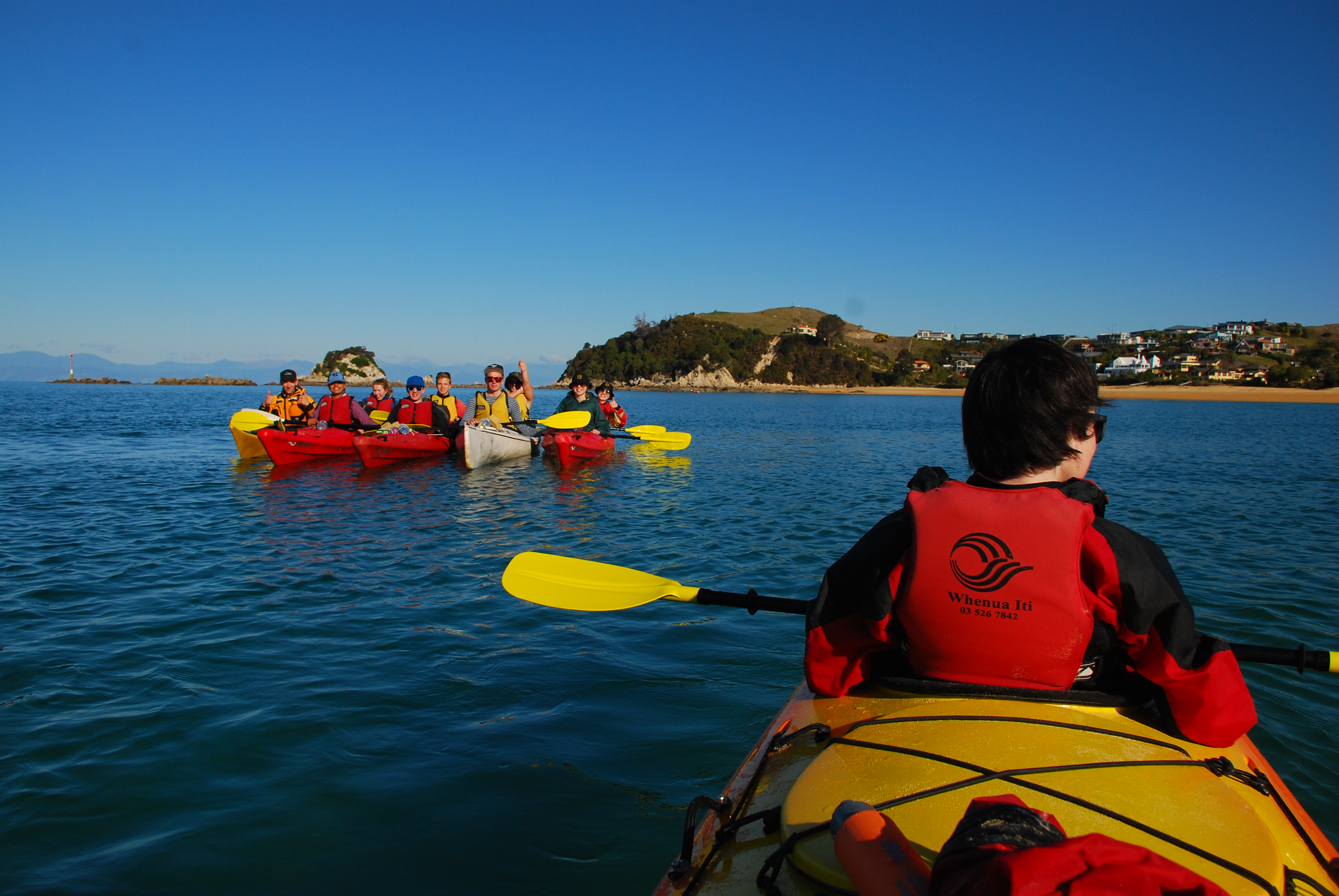
I would sort the adventure options into three buckets: water, bush, and slow adventure. Water might mean kayaking or a beach day. Bush might mean a track, a lookout, or a longer walk. Slow adventure is the category people forget to name: a long scenic drive, a new cafe, a gallery stop, a sunset on the deck. It still counts. The difference is only that no one sells it with a hero shot.
- Water day: kayaking, a beach visit, or a relaxed coastal stop.
- Bush day: a forest walk, a short track, or a quiet lookout.
- Slow day: local art, a long lunch, a reading session, and an unhurried evening back at the retreat.
The useful rule is simple: do not stack three peak experiences on the same day. Pick one anchor, give it room, and let the rest of the day support it. That is how a stay becomes memorable instead of merely full.
How I balance relaxation with adventure
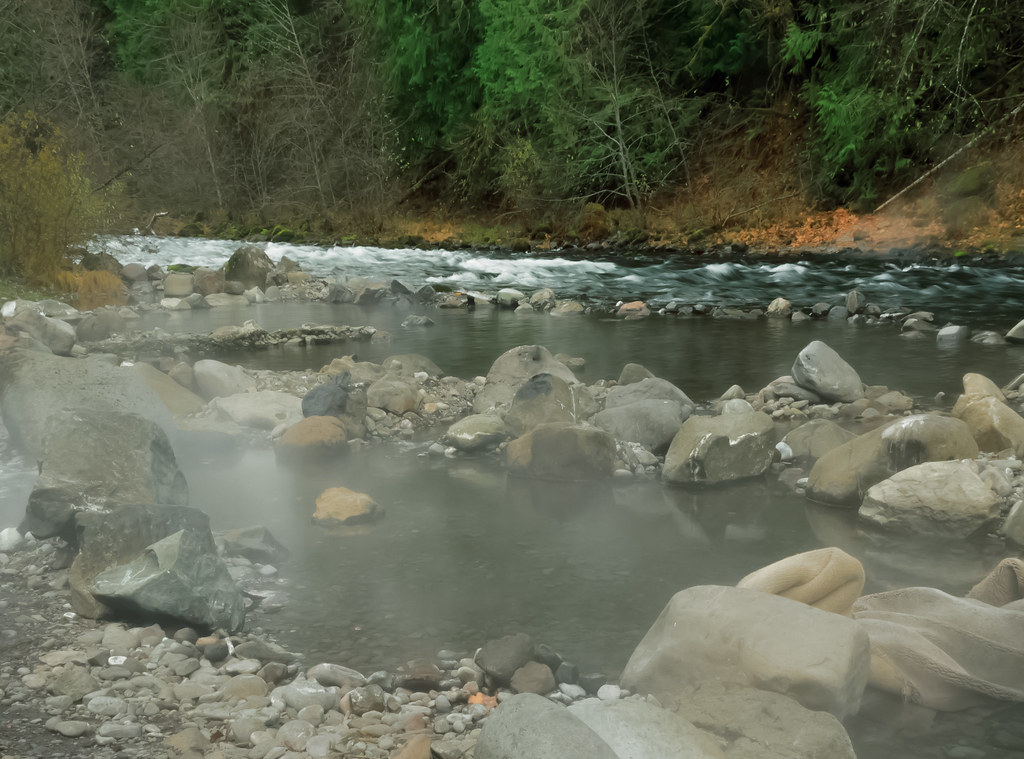
This is the part that decides whether your itinerary feels polished or merely packed. I use a simple ratio: one active block, one reset block, one optional block. If I can keep that rhythm, the day feels generous. If I lose it, the day starts to feel like a transit diagram.
The practical version looks like this:
- Morning: choose the one thing you most want to do while you still have energy.
- Midday: stop before you are tired enough to become picky and hungry at the same time.
- Afternoon: return to Koru, or at least leave room to do so without rushing.
- Evening: protect the quiet hours. They are not filler. They are the actual product.
Meal planning matters here too. A good itinerary is not just activities; it is the rhythm between them. If you know you want a late lunch or a relaxed dinner, build the day around that truth instead of pretending you will “figure it out.” Every holiday has at least one version of that sentence, and it usually causes unnecessary movement.
Time management also helps with weather. If the forecast looks changeable, I push the most weather-sensitive activity earlier and leave the calmer block for later. If the day is clear, I still keep some slack in the schedule. Being overplanned is simply being under-rested in a nicer font.
For retreat hosts who want to reduce that kind of friction on the operations side, a third-party AI integration services resource can connect booking messages, guest notes, and follow-up reminders into a cleaner workflow. That sort of plumbing is not glamorous, but neither is losing a booking thread in a crowded inbox. Reality has an interface, and sometimes the interface needs a little work.
What to keep in your bag, calendar, and head
Good itinerary planning is partly about the route and partly about the mental load. Here is the compact version I would use before leaving home:
- In your bag: comfortable walking shoes, a light layer, swimwear if relevant, and a charger that actually works.
- In your calendar: one anchor outing, one meal with no hurry attached to it, and one protected rest period.
- In your head: the understanding that “unplanned time” is not a failure of the itinerary. It is the itinerary doing its job.
If you want to see the retreat itself as part of the day rather than just the place you sleep, the home page is worth a quick look at Koru Riverside Retreat. The key is to keep the visual picture of the trip consistent: bush, water, privacy, comfort, and enough room to exhale.
Conclusion and booking details
A strong stay at Koru is not the result of trying to do everything. It is the result of choosing the right few things and giving them proper time. Build the day around one anchor activity, one reset block, and one evening that feels like a reward instead of an afterthought. That is the operating system.
If you are coming as a couple, lean toward privacy and one or two high-quality outings. If you are traveling with family, protect the rhythm and keep the day easy to read. If you are traveling solo, treat the retreat like a private workshop for attention: one good walk, one good meal, one good quiet stretch. The place can handle the rest.
For availability, special requests, or practical questions before you book, use the Contact page. If you are still deciding what kind of stay you want, pair this guide with Indulge and Enjoy and the home page to build a clearer picture of the experience.
Key points to remember:
- Plan one anchor activity per day instead of trying to collect every attraction.
- Leave buffer time so the retreat still feels like a retreat.
- Use weather, distance, and meal timing as part of the itinerary, not as afterthoughts.
- Balance the active blocks with real quiet time.
- Use the Contact page when you are ready to turn the plan into a booking.
If you want the shortest version of the whole guide, it is this: choose less, choose well, and let Koru do what it does best.