I like Coromandel best when the plan is loose enough to breathe. The region rewards people who stop trying to conquer it and start moving with it.
If you are looking at outdoor adventures near Koru Riverside Retreat, you are probably asking the same few questions I ask before I book anywhere new. Which walks are worth the drive? Which water activities actually make sense with tides, weather, and daylight? And how do you avoid cramming so much into one day that the whole thing turns into a spreadsheet with scenery?
The Department of Conservation’s Coromandel overview makes one thing clear: this is a region built for outdoor movement, not just a few postcard stops. The local tourism guide for Cathedral Cove shows the same pattern from another angle: coast, bush, water, and access planning all matter if you want the day to go well. That is exactly why this article exists. The adventure is real, but the best version of it needs a little structure.
By the end, you will know the most practical hiking, water, and wildlife options near Koru, how I would group them into a short stay, and why the retreat works as a base instead of just a bed. I will also give you a plain-English glossary so the planning side is less annoying and the fun side gets more of the attention.
At a glance, the best outdoor adventures near Koru are:
- Coastal hikes and shorter forest walks
- Kayaking and other calm-water outings
- Low-tide beach experiences that depend on timing
- Wildlife and birdlife stops that reward patience
- Simple day plans that leave room for the retreat itself
Terms I use in this guide
Before I get into the actual activities, I want the language to be clean. Travel writing gets sloppy fast when it throws around words like “easy”, “nature”, and “adventure” as if they mean the same thing. They do not. A useful trip starts with useful definitions.
| Term | What I mean here | Why it matters |
|---|---|---|
| Coastal walk | A hike or trail with sea views, cliffs, coves, or beach access. | These outings usually need more weather and access checking than an inland stroll. |
| Bush walk | A trail through native forest or regenerating greenery. | It is the easiest way to get shade, birdlife, and a slower pace in one outing. |
| Low-tide activity | An experience that works best within a tide window, not all day. | Hot Water Beach is the obvious example. Timing is the whole trick. |
| Water sport | Kayaking, paddling, swimming, or boat-based sightseeing. | These outings show the peninsula from the water line instead of the road line. |
| Quiet nature stop | A scenic pause that does not need a full workout to count. | These stops matter because not every good outdoor experience has to be a test. |
If that sounds obvious, good. The problem with most bad itineraries is not that they lack ambition. It is that they use the wrong kind of ambition. Coromandel does not need you to maximize every hour. It needs you to choose the right hour for the right thing.
Top hiking trails near Koru
When I build a Coromandel day around walking, I do not start with distance. I start with terrain, timing, and how I want to feel when I come back. A good hike should sharpen the trip, not flatten it. In this region, that usually means a coastal walk, a forest walk, or one of the bigger signature tracks that deserves a proper half-day or full-day slot.
The DOC maps and outdoor planning resources are worth checking before any walk, because conditions can change faster than people expect. A track that looks simple on a map can become a different proposition after rain or wind. That is not drama. It is just the cost of getting the real outdoors instead of a travel brochure version.
1. Cathedral Cove as a coastal walk, not a checkbox
Cathedral Cove is one of those places that earns its reputation, but only if you treat it with enough time. The cove is famous for the arch, the pale sand, and the clear water, yet the better experience is usually the walk or boat approach that lets the landscape unfold. The official Cathedral Cove destination page is helpful because it frames the outing as a planned visit rather than a spontaneous hope.
I would describe this as a medium-effort, high-reward adventure. It is not the hardest walk in the region, but it does ask for patience. You want room for the path, the viewpoint stops, and the simple fact that places like this feel better when you are not racing a clock. If your whole day is built on a strict timetable, Cathedral Cove becomes a task. If you let it be one anchor point in a larger day, it becomes memorable.
One useful way to think about it: Cathedral Cove is the kind of outing that gives you the classic Coromandel feeling without asking you to become a performance athlete to enjoy it. That is a decent trade.
2. Coromandel forest walks for shade, birds, and recovery
Not every good walk needs an iconic coastline. Some of the best outdoor time in this area is inland, where the forest feels cooler, denser, and more protective. If the coast is the headline act, the bush is the stagehand that quietly makes the whole show possible.
That is why I always leave room for at least one forest walk. It gives the trip texture. You hear different birds, feel a different temperature, and get a better sense of the peninsula as a living place rather than a scenic backdrop. The official DOC Coromandel page is a good starting point for the broader network of tracks and outdoor areas, because it reminds you that the region is not just beaches and famous coves. It is a layered environment with a lot of native bush still worth exploring.
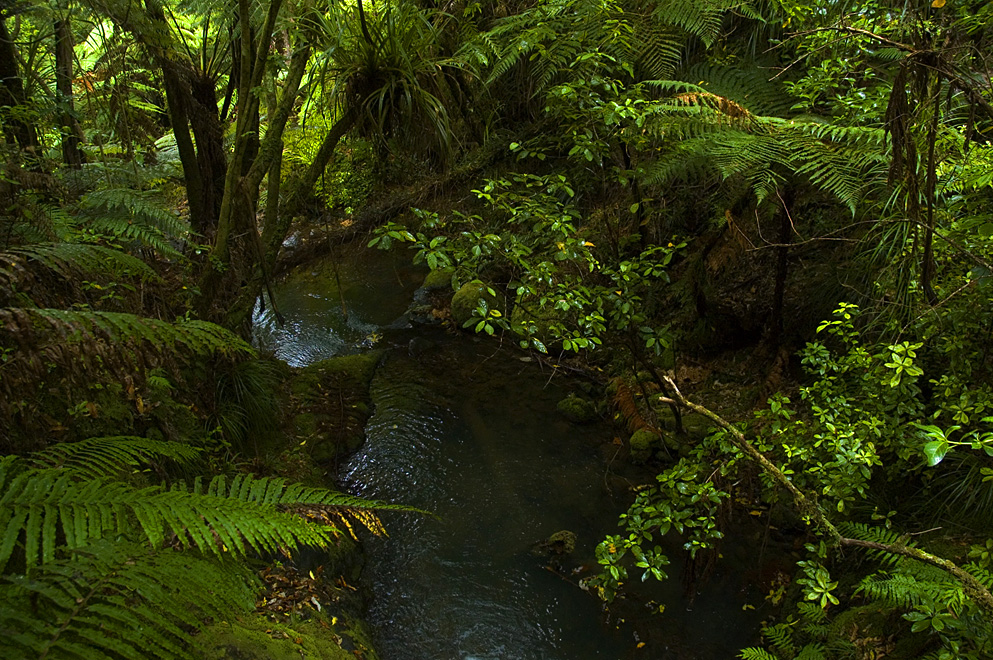
If you want a practical rule, use the forest walk as your recovery move. Do it after a bigger beach day, or use it when the weather is mixed and the coast is less appealing. A good bush walk can turn a compromised day into a productive one. That is the hidden leverage of the place.
3. The bigger day hike when you want a proper outing
Some visitors want more than a short stroll, and Coromandel can absolutely support that. A full hiking day should feel like a decision, not an accident. That means water, shade, a flexible schedule, and the willingness to treat the trail as the main event instead of a side mission.
If you are the type who likes a stronger outdoor test, choose one bigger trail and let everything else orbit it. The region has enough scenery that you do not need to stack multiple big efforts on one day. In fact, that usually makes the day worse. One solid hike plus one decent meal plus an unhurried evening is a better formula than a marathon of half-finished plans.
My rule is simple: if a walk is long enough to require serious planning, it should also be important enough to deserve the best energy of the day. Do not spend your best energy on the wrong adventure.
4. Short walks that still feel like the region
Shorter tracks are not consolation prizes. They are often the smartest option. If you are only in the region for a few nights, a 45-minute or 90-minute walk can give you the landscape without draining the rest of the day. That is particularly useful when you want to enjoy the retreat in the afternoon, or when weather and energy are both slightly unpredictable.
I like this category because it keeps the trip honest. Not every scenic moment has to come with a fitness badge. A short bush path, a lookout, or a coastal section with a clear return point can still be a satisfying adventure if the setting is right. These outings are also the easiest way to mix walking with lunch, coffee, or a slower return to Koru.
That kind of flexibility matters more than people admit. A retreat is supposed to help you avoid overbuilding the day. Short walks are the quiet proof that the idea works.
Water sports and river activities
If hiking is the spine of Coromandel, water is the pulse. The region is built around coastline, sheltered bays, tides, and river edges. That makes it ideal for travelers who want outdoor time without having every outing look the same. Some days should be on foot. Some should be on or near the water. That contrast is what makes the stay feel full.
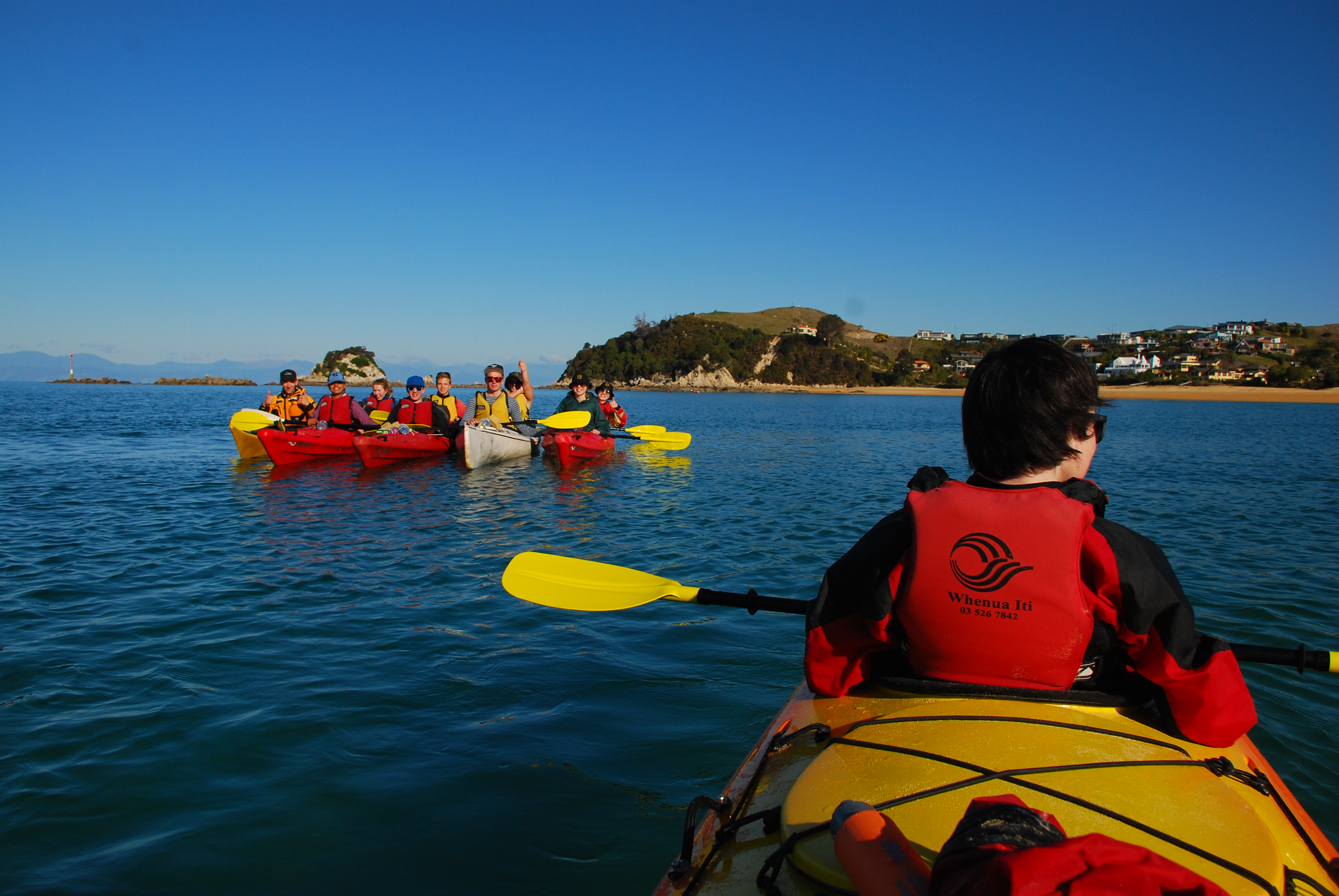
This is also where the right image matters. Water-based adventures are easier to imagine when you can see the tone of them clearly: calm, scenic, and active without being frantic. That is why I chose a kayaking photo for this article. It is not just decorative. It tells the truth about the kind of outing Coromandel handles well.
5. Kayaking the coast
Kayaking is one of the best outdoor activities near Koru because it changes the scale of the landscape. On foot, you notice terrain. From the water, you notice edges, texture, and the way the coast opens and closes as you move. It is a different interface with the same region, and that is the point.
For readers who want a practical starting place, the official tourism page for Cathedral Cove notes that the area is commonly experienced by kayak or boat as well as on foot. That matters because a water approach can be the quieter, more scenic option if you want to avoid crowds or simply want a more measured pace.
Kayaking works especially well if you are the kind of traveler who likes a clear physical activity without turning the day into a sport. You still move. You still work. But you do it while the shoreline does its quiet thing around you. There are many worse ways to spend an hour.
6. Hot Water Beach at the right tide
Hot Water Beach is not exactly a water sport, but it belongs in the same planning category because the tide window controls the experience. The official Hot Water Beach guide explains the key point clearly: the beach is best visited within roughly two hours either side of low tide. If you arrive at the wrong time, you still have a beach. If you arrive at the right time, you have one of the most memorable low-key natural experiences in the region.
I like this stop because it shows why Coromandel rewards timing more than impulse. Digging your own hot pool is simple. Timing it properly is the actual skill. It is one of the few adventures where the environment is doing the dramatic work for you, and you only need to show up with a spade, a towel, and a willingness to enjoy something a little ridiculous.
Do not overcomplicate it. Check the tide, set your expectations, and accept that the beach is the boss here. Once you do, the outing becomes easy and weird in the best possible way.
7. Riverside downtime counts as an outdoor activity too
This may sound like I am trying to sneak relaxation into an adventure list, but I am not. At a place like Koru, the river itself is part of the outdoor experience. Not every good day needs a destination. Sometimes the better move is to come back from the main outing and actually use the setting you booked.
That means morning coffee outside, an unhurried hour near the water, or a quiet pause after a bigger walk. The point is not to do less for its own sake. The point is to keep the day from becoming overengineered. When the retreat has its own natural setting, you should use it. Otherwise you are paying for scenery and then leaving it on read.
River time also works as a transition between activities. It lets the body settle after kayaking, a beach stop, or a long walk. That matters because the best adventure trips are not just a sequence of outputs. They are a rhythm. Motion, pause, motion, pause. That is how the good parts stick.
Wildlife tours and quiet nature stops
The Coromandel is not only for people who want to burn energy. It also rewards people who notice things. Birdlife, forest edges, conservation areas, dusk light, and the occasional well-placed lookout all make the trip feel richer. I would not build the whole stay around wildlife watching alone, but I would absolutely make room for it.
There is a reason the quieter side matters. A region can have dramatic scenery and still feel shallow if you never slow down enough to notice what lives there. Wildlife stops fix that. They give the landscape a pulse. They also make the trip feel less like sightseeing and more like being somewhere for real.
8. Birdlife and regenerating forest areas
Coromandel’s native bush and regenerating forest are especially good for birdlife. You do not need a formal tour every time to benefit from that. Sometimes the best wildlife moment is simply sitting still long enough to notice movement in the canopy or the sound of birds changing as the light changes.
That said, if you want a more guided experience, look for local conservation-focused stops and eco walks. The outdoor resources from DOC are the best place to start because they ground the outing in actual land and track conditions rather than generic scenic promises. The region deserves that kind of honesty.
The advantage of a wildlife stop is that it gives you a different pace. Hiking can be active. Kayaking can be energetic. Birdwatching asks for patience. That variety keeps the trip from becoming one-note.
9. Driving Creek as a conservation-minded detour
The Driving Creek conservation landscape is a useful example of how outdoor experiences in Coromandel can be both scenic and thoughtful. The official Driving Creek conservation page shows a side of the area that is about regeneration, native habitat, and a more reflective kind of outdoor stop. That makes it a strong choice if you want nature without committing to an all-day hike.
I like including a place like this because it broadens the definition of adventure. Adventure does not always mean exhaustion. Sometimes it means seeing how land changes over time and how restoration work shapes the experience of being there. That is a worthwhile kind of outing, especially if you want something close to Coromandel town and still tied to the natural setting.
It also fits the retreat rhythm well. You can visit, learn a little, and still have time to come back for an easy afternoon. The best trips often include one stop that teaches you something without shouting about it.
10. Dusk walks and quiet lookout stops
Not every outdoor experience has to be labeled as a formal attraction. Dusk walks, last-light lookout stops, and simple pauses near water or bush edges often become the memories people talk about later. That is because they are unforced. They happened because the trip had room for them.
I recommend leaving at least one slot open for that kind of experience. If the day is already full, you will drive past the best small moment without noticing it. If the day is slightly loose, you may end up with the view that matters most. Travel has a habit of rewarding slack in the schedule.
Simple adventure plans that work
Now that the activities are on the table, here is how I would actually organize them. The main mistake visitors make is trying to treat every day like a greatest-hits tour. Coromandel is better when you give each day a clear job.
| Trip style | Best outdoor mix | Why it works |
|---|---|---|
| One-night escape | One short walk, one water activity, one slow evening at the retreat | It keeps the stay light and avoids the trap of overplanning a short visit. |
| Two-night stay | One signature coastal outing, one forest walk, one tide-based stop | You get contrast without turning the trip into a race between parking lots. |
| Three-night stay | One big hike, one kayaking or coastal day, one wildlife or conservation stop | This is the sweet spot if you want variety and still want to enjoy the retreat properly. |
My preferred 3-day rhythm
- Day one: arrive, unpack, do one short walk, and let the evening stay quiet.
- Day two: choose the biggest outdoor outing, whether that is Cathedral Cove, a longer hike, or kayaking.
- Day three: use a lower-effort wildlife, forest, or tide-based stop so the trip ends with a calmer note instead of a burnout.
That pattern gives the trip shape. It also leaves the retreat with a real role in the experience, which is important. A place like Koru is not just where you sleep. It is part of how the whole day works.
If you prefer a more flexible approach, try this instead: one anchor activity in the morning, one slow lunch, and one evening that belongs to the retreat. That is enough structure for most people and not so much structure that it crushes the mood.
A note on timing and conditions
The practical side of Coromandel matters. Tides, weather, wind, access notices, and trail conditions can change what is realistic on any given day. That does not make planning harder so much as it makes planning more honest. The region rewards people who check the conditions before they leave, not after they have already committed to the drive.
Behind the scenes, a small operator-facing resource such as AI consulting services can be useful when a retreat team wants to turn scattered guest notes, tide checks, and booking reminders into one practical workflow.
That is why the official resources matter. The DOC pages, the local tourism pages, and any up-to-date access notes are not optional reading. They are the difference between a smooth day and a self-inflicted detour. I would rather spend five minutes checking than an hour regretting that I did not.
Where Koru fits into the experience
Koru Riverside Retreat makes the most sense as a base for this kind of trip because it gives you two things the region needs from a visitor: privacy and a calmer return point. When the outdoor plan gets slightly ambitious, the accommodation should absorb the edge, not add to it. That is what a self-contained stay does well.
After a long hike or a water day, the retreat gives you room to cool down, eat, sit, and recover without being forced back into the public pace of a hotel corridor or a busy common room. That sounds small until you do it right. Then it feels like the whole trip got better.
If you want to read the retreat pages that best support this kind of stay, start with the homepage for the overall setting, then look at Indulge and Enjoy for the comfort side, and Relaxation & Romance if you want the quieter, more intimate version of the experience. Those pages are the right complement to an outdoor plan because they show where the day ends, not just where it starts.
And if you are the kind of traveler who likes to keep the practical side tidy, use the contact page before you arrive. Not because booking should feel complicated, but because the best trips usually start with the right questions answered in advance.
Booking and next steps
If I had to reduce the whole guide to one sentence, it would be this: Coromandel is at its best when you mix one headline adventure with one quieter nature stop and leave room for the retreat to do its work. That formula keeps the trip active without making it frantic.
For me, the perfect stay near Koru looks like this: a strong coastal walk, a water activity if the weather cooperates, one or two slower forest or wildlife stops, and evenings that do not get hijacked by the next day’s logistics. That is a real holiday. The rest is just transportation with better views.
Key points to remember:
- Coromandel works best when you plan around conditions, not wishful thinking.
- Cathedral Cove, Hot Water Beach, forest walks, and kayaking all earn their place for different reasons.
- Wildlife and conservation stops add texture and calm to a trip that might otherwise feel too busy.
- Koru is strongest when it is used as a true base, not just a sleep stop.
- Shorter, clearer itineraries usually beat packed schedules in this region.
If this is the kind of outdoor escape you want, start with the homepage, keep the comfort details in mind on Indulge and Enjoy, and send your questions through the contact page. The Coromandel will still be there either way. The difference is whether you arrive with a plan that helps you enjoy it.