Koru Riverside Retreat rewards slow attention. The setting is not simply background scenery; it shapes the kind of day a guest can have. A morning can begin with birdsong, a short drive or walk can lead into native bush, and the evening can end back by the river with the day still feeling spacious. For readers deciding whether the Coromandel belongs on a nature-first itinerary, this is the useful question: does the landscape support both quiet and movement? In this part of the region, the answer is usually yes.
The broader Hauraki-Coromandel landscape is known for a mix of coast, native forest, and regenerated bush, with a long history of forestry and mining still visible in the land. That combination matters because it creates variety: some days are better for short scenic stops, others for longer walks, and some for simply staying still and noticing what moves through the trees. A good starting point is the Hauraki-Coromandel region overview from Te Ara, which places the area’s forest story in a wider historical context.
If you want a quick sense of the retreat itself, the Relaxation & Romance page shows the same setting from a quieter, more intimate angle, while the Home page keeps the overall layout and location simple. This article goes one step further and focuses on the nature side of the stay: the plants, the birdlife, the tracks, and the practical ways to enjoy them without trying to turn the visit into a race.
Introduction to Koru’s natural environment
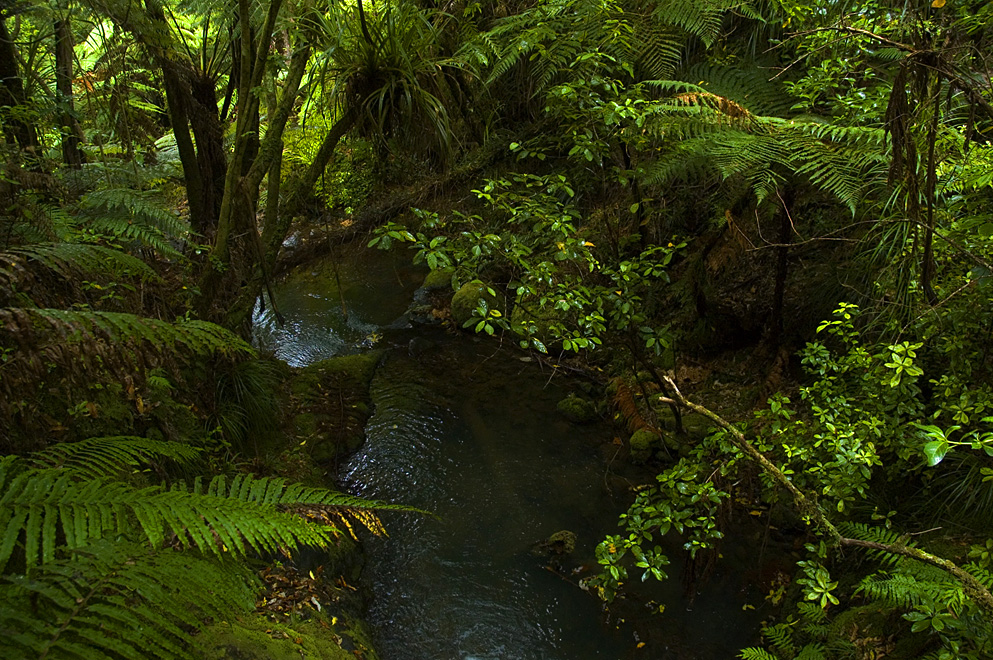
Koru Riverside Retreat sits in a landscape that feels close to the ordinary markers of town life, but not mentally close to them. That is a useful distinction. Guests can be near Coromandel and still spend most of the day hearing water, seeing layered green, and moving between pockets of shade and open sky. The attraction for nature lovers is not one dramatic feature. It is the accumulation of small things: wet bark after rain, birds moving between the canopy and the river edge, and the way the bush changes the light.
The Coromandel region has a strong bush-and-coast identity, and that matters for visitor planning. It means there is usually an easy choice between a short scenic stop, a half-day forest walk, and a longer ridge or summit route. It also means the retreat works best as a base rather than a pass-through stop. If a guest is staying for a few nights, the land around them becomes part of the itinerary rather than decoration on the edge of it.
That is also why it helps to think in layers. Close in, the river and surrounding bush create a private, sheltered atmosphere. Farther out, the Coromandel Peninsula opens into tracks, lookouts, and forest reserves that can be visited at different effort levels. The practical takeaway is simple: do not pack the day with too many destinations. Choose one clear outing, then leave time to return to the retreat and notice the smaller details that would otherwise be lost.
Wildlife and plants in the area
Coromandel bush is especially interesting because it is not a single forest type. It is a mix of regeneration, standing native forest, and places where the canopy has recovered around older scars from logging or clearance. Te Ara notes that regenerated native forest in the Hauraki-Coromandel region commonly includes rewarewa, kamahi, kanuka, and manuka. That is a good reminder that the landscape here is living, not static. It keeps changing, but it still reads as native bush.
For a nature-minded guest, the value of that mix is variety. Rewarewa brings height and structure. Kamahi and kanuka help fill out the canopy and edge zones. Manuka often marks the more open or recovering places, where light reaches the ground and the understory can thicken. In wetter pockets, the bush can feel more enclosed and layered, which is where tree ferns, moss, and leaf litter start to matter as much as the taller trees. The overall effect is less like a postcard and more like an ecosystem doing what ecosystems do when given time.
Birdlife adds another layer. It is reasonable to expect native voices rather than silence: tui in flowering areas, fantail moving restlessly through the edge vegetation, and the occasional dusk call that makes the whole place feel larger than it looked at lunch. Rather than trying to identify everything on the spot, it is often easier to learn the calls ahead of time. DOC’s bird songs and calls resource is a practical reference if you want to turn an unlabelled sound into something more useful.
A short list helps when planning what to notice:
- Canopy structure: rewarewa, kamahi, kanuka, and manuka are a good guide to the region’s regenerating native forest.
- Understory detail: look for ferns, seedlings, and damp-ground growth after rain.
- Bird movement: watch for small birds working the edges, not just the obvious birds in the open.
- Light changes: early morning and late afternoon are when the forest shows its texture best.
The useful conclusion here is not that guests need to be botanists. It is that the Coromandel rewards people who slow down enough to see a pattern. Once that pattern becomes visible, a walk that looked ordinary on a map starts to feel more specific and memorable.
Best nature walks and hikes nearby
The strongest case for staying at Koru is that it gives a visitor a practical base for different kinds of outdoor days. Some guests want a short, low-effort walk. Others want a full tramping day with a summit. Most people want both, just not on the same morning. The tracks below cover that range without requiring the same level of commitment from every walker.
For a quick local reference, DOC’s Coromandel Town area page is useful because it gathers together several short walks around the township. That makes it a good planning page when the weather is changeable or when a guest wants a simple half-day rather than an all-day mission.
| Walk | Distance / time | Difficulty | Why it fits a Koru stay |
|---|---|---|---|
| Waiau Falls and Kauri Grove Lookout Walk | 500 m return, about 30 min | Easy short walk | Best for a quick nature stop, a small waterfall, and a mature kauri grove without much time pressure. |
| Waiomu Kauri Grove Walk | About 2 hours return | Short-to-moderate forest outing | Good for visitors who want a longer bush walk and the atmosphere of one of the peninsula’s finest remaining kauri stands. |
| Kauaeranga Kauri Trail (Pinnacles Walk) | 6 km one way, about 3 hours one way | Intermediate tramping track | Best for stronger walkers who want a bigger day and a view that feels earned rather than handed over. |
The Waiau Falls walk is the easiest of the group, and that is not a weakness. It is often the kind of walk that lets a guest check the weather, settle into the region, and still feel as though they have done something real with the day. DOC’s notes also remind visitors to clean footwear and stay on the track in kauri areas, which is not a minor detail. Kauri protection is part of the experience, not an extra rule tacked on at the end.
The Waiomu Kauri Grove walk gives a different kind of reward. It is less about a quick highlight and more about sustained atmosphere. A walk like that works well when the point is not to collect views but to stay inside the forest long enough to notice how the bush layers itself. A route like this suits guests who prefer unbroken quiet to constant stopping.
The Kauaeranga Kauri Trail changes the scale again. DOC describes it as an intermediate tramping track that leads to Pinnacles Hut and the summit views above the Coromandel Peninsula. That makes it the right option when a guest wants a more ambitious day and is comfortable with a longer climb. It is also a reminder that the region’s nature is not just gentle. There are routes here that ask for fitness, good timing, and a willingness to carry water and keep moving.
The practical structure of a stay, then, might look like this:
- Start with a short walk close to town or the river so the first outing is easy.
- Choose one forest walk with a longer return time on the next day.
- Only add a bigger tramping route if the weather, energy, and footwear are all on your side.
That sequence sounds obvious, but it is the difference between a restorative trip and one that feels overbooked. Nature travel usually works best when there is room left in the day to stand still.
How to enjoy nature during your stay
Guests who come to Koru for the landscape usually get more out of the stay when they treat the retreat itself as part of the nature experience. The river, the bush edge, the changing light, and the quiet hours before dinner are not simply background. They are the easiest places to pay attention without needing to leave the property.
1. Keep a simple birdwatching routine
There is no need to set up an elaborate bird list. Start with a pair of binoculars if you have them, a notebook if you like structure, and a few minutes at the same time each day. Early morning and late afternoon are the most useful windows. Bird activity changes with light and temperature, and the same spot can feel very different an hour later.
If you want to improve identification without making it a project, note the bird’s size, movement, and sound first. A tui is often easier to recognize by motion and voice than by a long, careful look. Fantails are usually identified by how quickly they work through the edges of a space. The morepork or ruru tends to matter most at dusk, when the forest stops feeling empty and starts feeling inhabited.
2. Use photography to notice structure, not just scenery
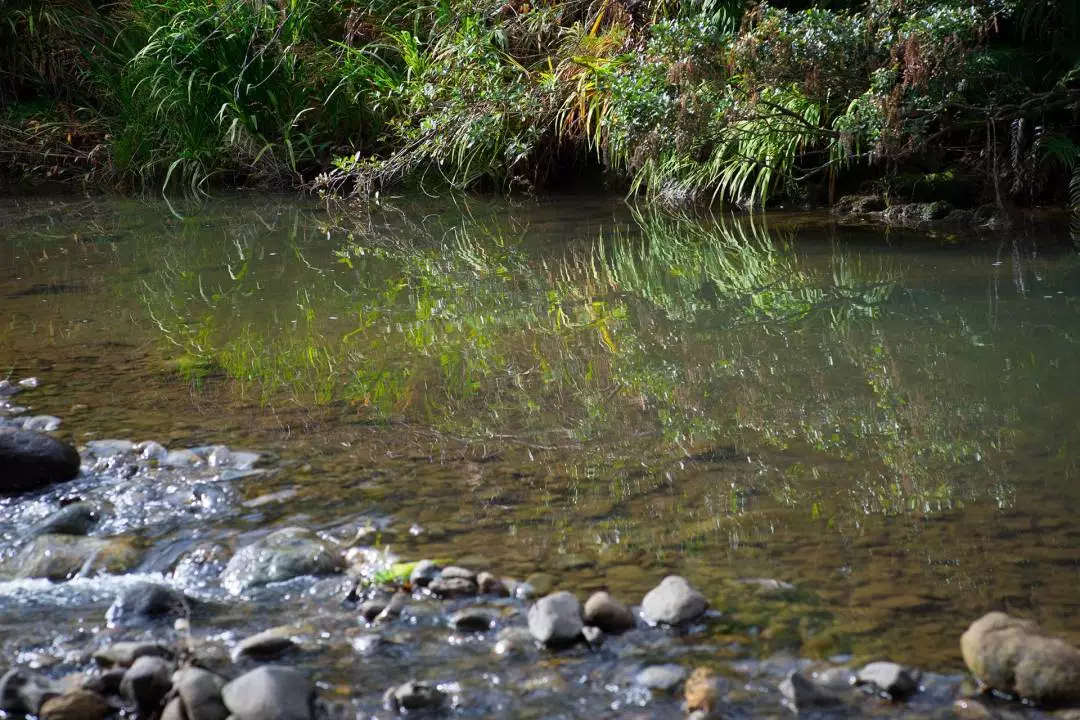
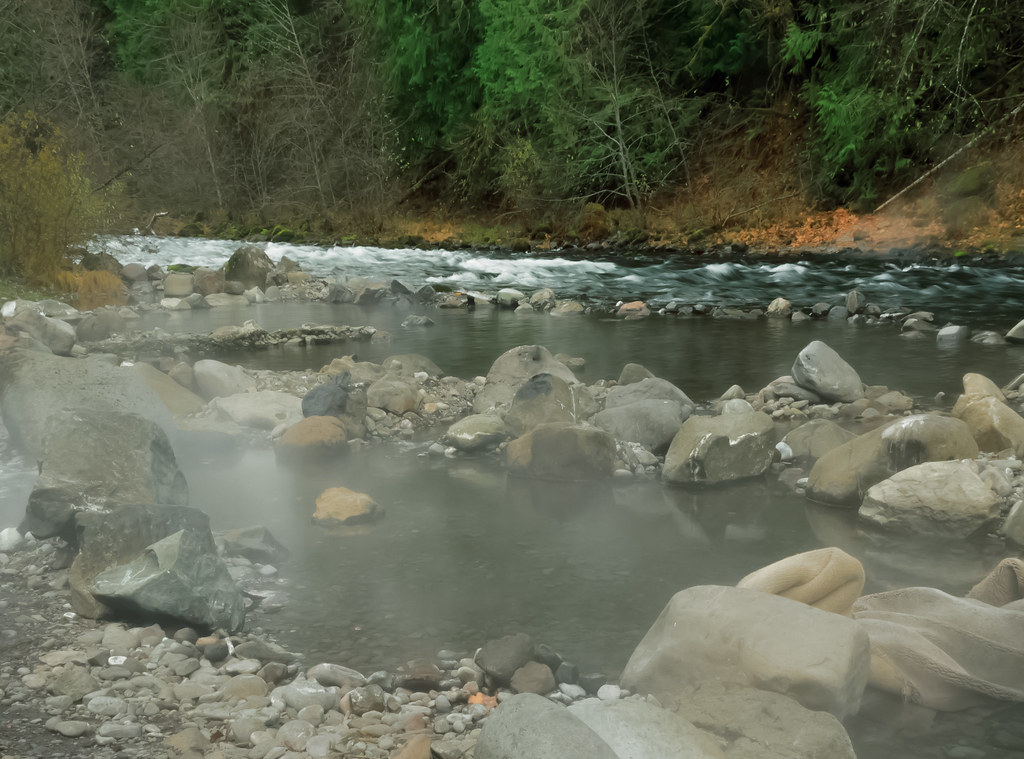
Many visitors point the camera at the biggest view first. That is fine, but the better nature photographs here often come from smaller scenes: a line of ferns against wet bark, a shaft of low light on leaves after rain, or the curve of the river where rocks break the surface. These are the details that tell you where you were, not just that you were somewhere green.
A useful rule is to shoot one wide image, one medium framing, and one close detail before moving on. That keeps the session focused and prevents the common problem of taking twenty near-identical images and learning nothing from any of them.
3. Leave room for stargazing and quiet evenings
Nature does not stop when the walking ends. If the sky is clear, a darker rural setting can make the evening feel much larger than the daytime map suggests. Turn off unnecessary lights, step outside for a few minutes, and let your eyes adjust. The point is not to search for a dramatic event. The point is to notice that the environment changes again once the sun drops.
This is also the right time for a slower pace. After a walk, the retreat’s sheltered outdoor setting makes it easier to shift from activity to recovery. A warm drink, a quieter conversation, or a final look at the bush can do more for the memory of the day than one more drive to another viewpoint.
4. Pack with the landscape in mind
Practical gear matters, but it does not need to be complicated. The best packing list for a nature-focused stay is usually modest:
- comfortable walking shoes that can handle damp ground,
- a lightweight rain layer,
- water and a simple snack for longer walks,
- a reusable bottle,
- binoculars if birdwatching matters to you, and
- a small torch or headlamp if you plan to stay out after dark.
One more item deserves its own line: a calm schedule. The Coromandel rewards people who build margin into the day. If a walk takes longer than expected or the light changes at the wrong moment, that is not a failure in the plan. It is usually the point where the landscape becomes more interesting.
5. Match the day to the energy level
It helps to think of a stay at Koru in three modes. There is the low-energy mode, where the main goal is to sit beside the river and look around. There is the moderate mode, where a short walk and a relaxed afternoon can live together in one day. And there is the high-energy mode, where a larger trail like the Kauaeranga Kauri Trail makes sense. Different days call for different modes. The mistake is to pretend they should all look the same.
For couples, solo travellers, and small groups alike, that flexibility is part of the appeal. Some visitors want quiet by default. Others want a walk as the excuse to get outside and then a comfortable return. Both are valid. The site works because it supports either rhythm without forcing a compromise.
Conclusion and booking options
Koru Riverside Retreat stands out for nature lovers because it offers more than proximity to bush. It offers a usable relationship with the landscape. The river gives the setting an immediate sense of stillness, the surrounding Coromandel region supplies a range of walks and tramps, and the native plant and bird life reward anyone willing to slow down long enough to notice them.
The strongest takeaway is simple: you do not need to build an ambitious itinerary to make the most of the area. A short waterfall walk, a longer kauri grove outing, a half-day tramping route, and a quiet evening back at the retreat can be enough to fill a stay with real variety. That is usually the mark of a good nature base. It gives you options, but it does not shout over them.
If you are planning a visit, start with the Home page for the basic retreat details, use the Relaxation & Romance page if you want to understand the atmosphere a little better, and reach out through the Contact page when you are ready to check availability or ask a practical question. Nature travel works best when the booking path is as straightforward as the walking path.
Useful takeaway: Koru is at its best when the day is shaped around one deliberate walk, one quiet return, and enough time to actually see the place you came for.