Why private retreats are getting more attention
For small teams, the question is usually not whether an offsite should be scenic. It is whether the venue gives people enough privacy, flexibility, and practical comfort to do real work without feeling boxed into a hotel schedule. That is part of why private retreats in New Zealand are drawing more attention: they offer a calmer setting for meetings, planning sessions, and team time that can move at a human pace.
New Zealand’s business-events sector continues to be an active focus for tourism and economic development, with government and industry sources pointing to interest in corporate and conference travel. At the same time, flexible work has become more common, which changes what teams look for when they leave the office. A good offsite now often needs to support both concentrated work and unhurried downtime.
What businesses are looking for now
Teams planning a retreat are usually looking for a short list of essentials:
- Privacy for honest conversation, strategy, and problem-solving.
- Flexibility in how a day is structured, especially if people are blending onsite and remote work.
- A setting that helps concentration without feeling overly formal.
- Enough downtime for meals, breaks, and informal discussion.
That mix is one reason smaller, self-contained stays can work well. They are less about spectacle and more about removing friction. If the group is small enough, there is also less need to negotiate shared public spaces or fixed conference schedules.
For context on flexible work and workplace trust, see business.govt.nz’s guidance on flexible working arrangements.
Why a self-contained retreat can work better than a hotel
Hotels can be useful, but they are not always the best fit for a small offsite. A self-contained retreat usually gives a team more control over the rhythm of the stay:
| Need | Self-contained retreat | Typical hotel setup |
|---|---|---|
| Privacy | Often higher, especially for one group only | Shared common areas and passing traffic |
| Schedule | More adaptable | More dependent on meal times and venue rules |
| Atmosphere | Usually quieter and more domestic | Often more public and transactional |
| Breaks | Easy to step outside, reset, or split into small groups | Breaks may happen in lobbies or meeting rooms |
That does not make hotels bad. It simply means the default hotel model is built for volume, while a retreat can be built for breathing room. For a small leadership team or working group, that difference matters.
MBIE’s recent business-events focus and Tourism New Zealand’s conference growth coverage both suggest that business travel remains a live category in New Zealand, even as groups become more selective about the kind of venue they want. See MBIE’s update on attracting visitors and business events and Tourism New Zealand’s conference market note.
How the Coromandel bush-and-river setting supports work and downtime
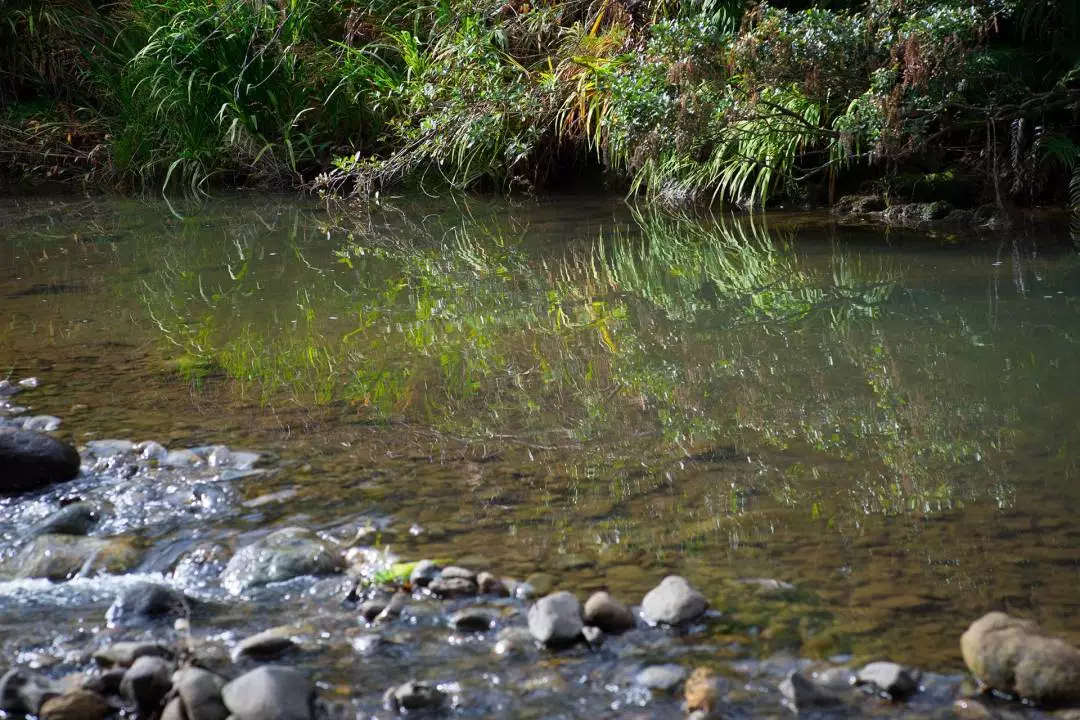
A riverside, bush-framed setting changes the feel of a workday. There is less of the background noise that comes with city venues, and more opportunity to pause between sessions without losing the thread of the day. For some teams, that is enough to improve the quality of conversation. At the very least, it tends to make people leave their phones on the table a bit less often.
In practical terms, the Coromandel setting supports:
- quiet strategy sessions and board-style discussions;
- small-group breakout conversations outdoors or on a deck;
- walks and informal resets between meetings;
- a softer transition between work and evening downtime.
If your group wants a broader look at the area between sessions, the Far Away So Close page gives a sense of how accessible the retreat is while still feeling secluded.
Suggested uses for the retreat
Koru Riverside Retreat is best viewed as a place for small-group, low-noise, high-focus stays rather than a large conference venue. That makes it a natural fit for:
- Leadership planning sessions where the goal is to think clearly and decide a few important things well.
- Creative workshops that benefit from a change of scenery and a less rigid schedule.
- Small team retreats focused on reflection, alignment, and shared meals.
- Hybrid work stays for teams that need a few days together while keeping normal working habits intact.
For a sense of the retreat’s relaxation options, see Relaxation & Romance and Indulge and Enjoy.
Practical planning tips before you book
The best offsites are usually the ones that are planned with ordinary constraints in mind. A few things are worth checking before you commit:
- Group size and layout. Make sure the space suits the number of people attending and the style of work you want to do.
- Wi-Fi and device needs. If the group needs to stay connected, confirm the internet setup in advance.
- Catering. Decide whether you want to self-cater, bring food in, or arrange simple local catering.
- Breakout time. Leave space in the schedule for walks, one-on-one chats, and the occasional pause.
- Transport. Check arrival times, parking, and whether any group members will need help with directions.
- Seasonal timing. Weather matters more in a bush setting than people sometimes remember when booking from a warm office.
For a useful planning benchmark on flexible work and trust-based workplace practices, the business.govt.nz workplace guidance is worth a look.
How Koru Riverside Retreat fits the brief
Koru Riverside Retreat is a strong fit for small corporate offsites because it offers what many teams are increasingly asking for: privacy, a self-contained stay, and a setting that naturally supports both work and rest. It is not presented as a large conference property, and that is part of the appeal. For a small group, a quieter venue can be more useful than a bigger one.
The retreat’s value lies in fit, not fanfare. It suits teams that want to step away from routine, hold a focused conversation, and still enjoy a place that feels restorative at the end of the day. If that sounds close to what you need, the next step is usually just a conversation about dates, group size, and the practical details.
Plan a stay that matches your team
If you are considering a small corporate offsite, leadership retreat, or working stay in New Zealand, start with the basics: how many people, what kind of work, how much privacy, and what kind of downtime you want built in. Then check whether the venue can support that mix without forcing the group into a hotel-style routine.
To ask about availability or talk through a tailored stay, visit Contact or return to the home page for an overview of the retreat.