Write in the right setting, and the page stops fighting back. A creative retreat is not a reward after the work is done. It is part of the work itself. The right place gives attention a boundary, gives the body a slower rhythm, and gives the mind enough quiet to keep going after the first burst of enthusiasm fades.
When I look at what writers and artists actually need, I come back to three questions: Can I get quiet? Can I stay long enough to finish something? Can the setting help me recover after a long stretch of concentration? Research points in the same direction. Stanford’s study on walking and creativity found that walking improves creative thinking, Harvard Health has reported that a short nature break can reduce stress, and broader research on nature exposure links green space with attention restoration and better cognitive performance.
Koru Riverside Retreat answers that brief with a calm riverside setting, a private hot spa, and a self-contained layout that keeps ordinary distractions out of the room. If you are planning time away to draft, sketch, revise, or simply think, the practical starting points are the About page for context, the home page for the main stay details, and the contact page when you are ready to ask about dates.
In this article, I will lay out what a creative retreat really does, why nature helps the work, and why Koru is well suited to writers, artists, and anyone who needs a dependable place to make progress without noise.
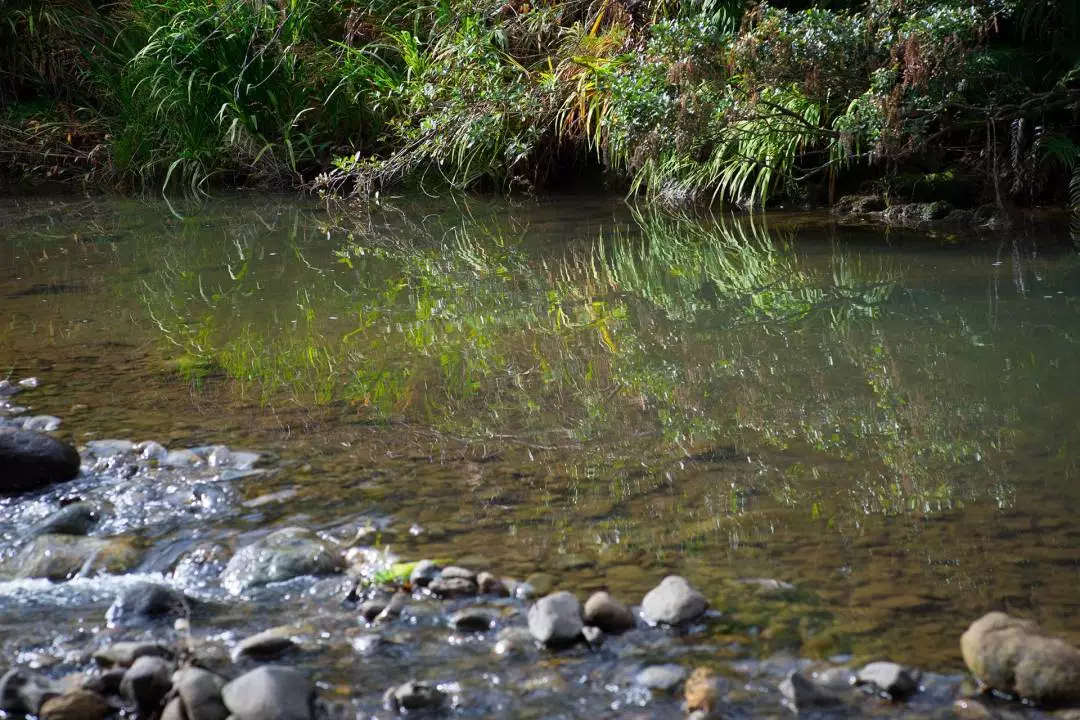
What a creative retreat is meant to do
A creative retreat is not just a picturesque place with a nice chair and a view. It is a temporary operating environment for focused work. The point is to remove small failures before they compound: the interruption that breaks a paragraph, the shared room that makes revision impossible, the social schedule that steals the afternoon, the endless drift from one task to another. When those friction points fall away, creative work becomes more than a hope. It becomes a schedule.
That matters because most creative projects fail at the edges, not in the center. The concept is there. The notes are there. The problem is the repeated loss of momentum. A retreat is useful when it protects the first hour, the second draft, and the quiet return to the desk after lunch. At Koru, the setting is built around that kind of protected time. The river, the bush, and the privacy do not compete with the work. They steady it.
For writers, that can mean a morning of drafting followed by an unhurried walk. For artists, it can mean sketching in the open air and returning to a room that does not demand attention. For people carrying a full workload, it can simply mean the rare relief of finishing a task without having to explain the task to anyone else. There is discipline in that kind of quiet. It is not empty; it is purposeful.
Why people leave home to make progress
There is a practical reason so many creative people work away from home for a few days or a week: the mind responds to a change in setting. Stanford’s research on walking and creative thinking suggests that even a simple shift in movement can improve idea generation. That is one reason a retreat with easy paths and a natural setting can matter so much. The body moves, the thoughts loosen, and the next paragraph has a better chance of arriving.
Harvard Health has also noted that even a short break in nature can lower stress. That does not sound dramatic, but creative work is usually undone by ordinary pressure, not catastrophe. Lower the pressure, and the work gets cleaner. Reduce the background noise, and the structure of the project becomes easier to see. A retreat should do exactly that.
Why a peaceful environment helps creativity
The case for a quiet, green setting is stronger than sentiment. A large body of work on attention restoration theory argues that natural surroundings help the brain recover from directed attention fatigue. In plain terms, the mind can only grip so hard for so long. After that, it needs a different kind of input. Trees, water, and soft movement offer that reset without asking for much in return.
That is useful for writers because writing requires two different kinds of attention at once. First, there is the steady attention needed to produce the next page. Then there is the wider attention needed to judge whether the page works. If the environment is too loud, both kinds of attention get thinned out. If the environment is calm, the writer keeps both in hand. The same is true for painters, photographers, composers, and any creative work that depends on a clear baseline.
I also think there is a moral case for this kind of setting, though it is a modest one. Good work deserves the chance to unfold without being crowded. A retreat that provides privacy, comfort, and a sensible rhythm is not indulging the guest. It is respecting the process. That is a difference worth preserving.
| Creative need | Why it matters | How Koru helps |
|---|---|---|
| Uninterrupted focus | Writing and art both suffer when attention is repeatedly broken. | The retreat’s private setting keeps the noise floor low. |
| Recovery after deep work | Long sessions need rest if the next session is going to be useful. | The private hot spa and riverside setting create a clear recovery path. |
| Sensory reset | The mind often needs a change of scene before it can continue. | Native bush, river views, and walking space supply that reset. |
| Protected routine | Creative work improves when the day has shape. | The self-contained layout supports a simple, repeatable rhythm. |
The broader evidence points the same way. The National Library of Medicine has published studies showing that natural environments can improve creative reasoning and restore attention, while the National Institutes of Health literature on nature exposure connects green space with better cognitive function and mental health. If you want the formal trail, start with the Stanford study on walking and creativity, then read Harvard Health’s report on a 20-minute nature break and the research on creative reasoning through immersion in nature. They point to the same conclusion: the setting matters.
Amenities at Koru for writers and artists
Koru Riverside Retreat is especially well suited to people who want the stay to do more than feel pleasant. The retreat supports work. It does so through privacy, through a self-contained arrangement, and through amenities that let a guest move between concentration and rest without losing the thread.
The private hot spa
The private hot spa is not a decorative extra. It gives the day a clean pause. Creative work often benefits from that pause because the mind keeps processing while the body relaxes. A writer who has spent the morning revising a chapter does not need more stimulation by late afternoon. They need recovery. The spa offers that in a controlled way. It gives the guest a place to stop, breathe, and return to the page with less tension and more patience.
For artists, the same logic applies. The spa can work as a reset between sessions, a place to let an image settle before deciding whether it belongs on the canvas or in the sketchbook. Good creative work often improves after a break. A retreat that respects that pattern is doing something useful.
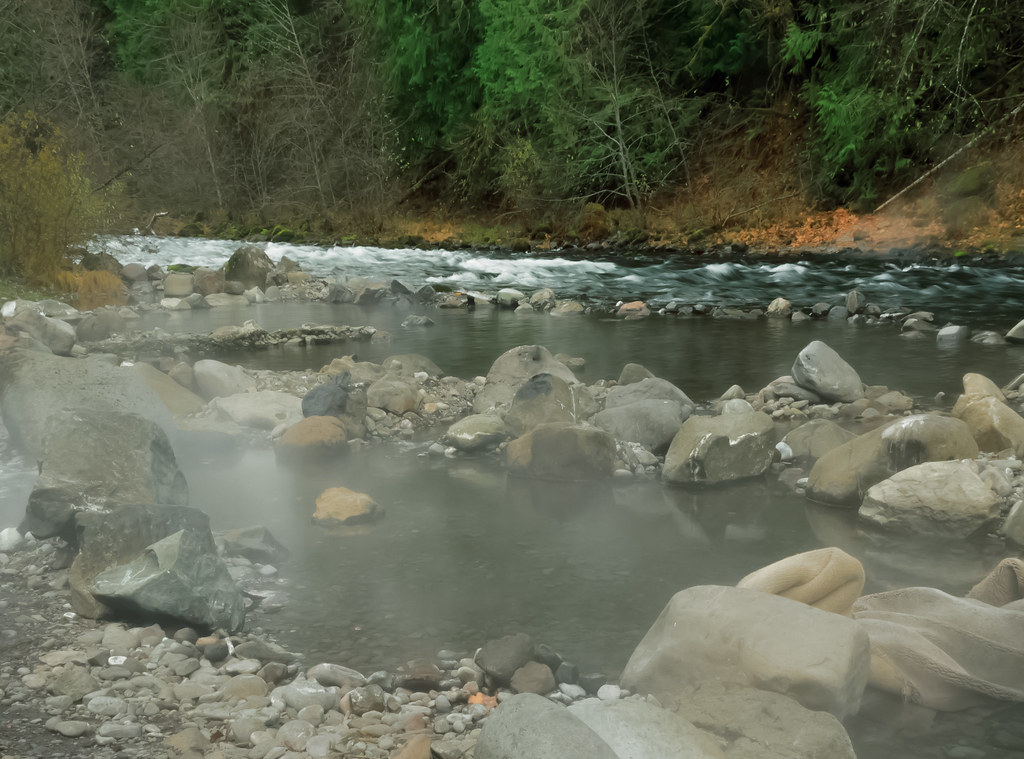
Quiet places to write and reflect
Quiet space matters because not every hour should be spent pushing forward. Sometimes the better move is to sit with the work long enough to notice what is missing. Koru’s self-contained setup gives that space real weight. The living areas, the deck, and the surrounding grounds make it easy to choose a place that matches the task. Drafting can happen in one corner. Reading can happen in another. Planning can happen outdoors if that is where the head clears.
That flexibility is important for writers who move through stages. Drafting needs momentum. Editing needs a cooler eye. Research needs a table and a cup of tea. Reflection needs silence. Koru does not force those stages into one room. It lets the day breathe.
Nature trails and scenic views
The retreat’s natural setting is part of the working method. A short walk before lunch can break the morning’s mental fatigue. A longer walk after a difficult session can reset the entire day. The trails and views are not just background. They are part of the rhythm that helps the work settle.
That is where Koru feels especially right for creatives. The river and bush offer enough movement to stay interesting, but not so much interruption that the mind loses its line of thought. You can leave the desk, walk, and come back with the project still intact. That is a practical advantage. It keeps the baseline stable.
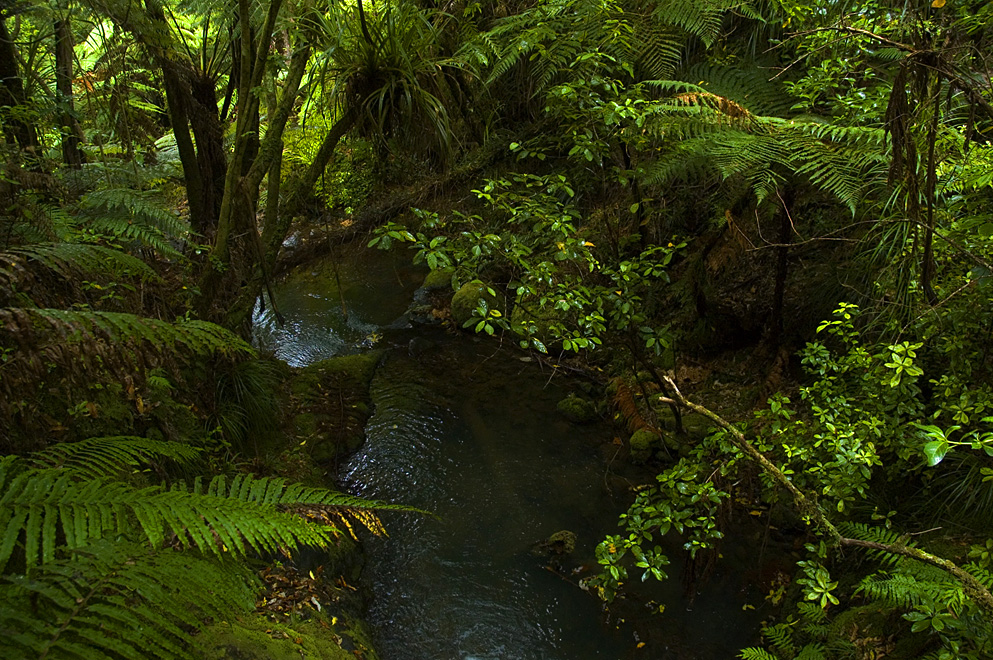
A simple working rhythm that fits the place
- Start with one hard task before the day gets noisy.
- Take a short walk once the first section is complete.
- Use the quiet hours for revision, not just drafting.
- Stop long enough to notice what the setting is doing for the work.
- Use the spa or the deck as the end-of-day recovery path.
That rhythm is not complicated, and that is the point. The best retreat stays are the ones that do not require choreography. They hold the line so the guest can focus on the page, the brush, the lens, or the score.
Guest experiences and what they say
The retreat’s own guest-facing material keeps returning to the same useful themes: privacy, calm, and a layout that lets the day stay under control. For writers and artists, that is not a luxury note. It is the difference between settling in and spending half the stay adjusting to the room.
Private self-contained luxury bush accommodation.
That line is simple for a reason. It says the retreat is built to protect space, quiet, and the kind of privacy that lets a creative person work without negotiating every hour.
The setting is peaceful enough for focused work blocks while still feeling like a real getaway once you close the laptop.
That is the practical test for a creative stay. If the room supports concentration and the setting supports recovery, the project gets a better chance of finishing cleanly.
What guests tend to notice most is easy to name:
- Privacy that keeps interruptions low.
- A calm riverside setting that helps the mind settle.
- Self-contained comfort that supports a steady working rhythm.
- A clear handoff between focus time and recovery time.
That combination is what makes the stay useful rather than merely pleasant. Creative work needs both. It needs a place to hold attention, and it needs a place where attention can rest when the page is done for the day.
Why Koru works for a creative project
There are many places that look peaceful in photos. Fewer of them are organized well enough to support actual work. Koru Riverside Retreat appears to understand the difference. The riverside setting is real, the privacy is part of the design, and the amenities are there to help the day move in a straight line instead of a circle.
For a writer, that can mean a draft finished without interruption. For an artist, it can mean several hours of uninterrupted composition or study. For a couple traveling with creative intentions, it can mean a stay that feels restorative without becoming passive. The retreat offers a quiet standard of comfort that lets the guest decide how ambitious the day should be.
The location helps too. Coromandel’s natural landscape gives the mind enough variety to stay alert while still staying calm. The walks, the river, the bush, and the general sense of seclusion keep the environment interesting without becoming demanding. That balance is hard to fake. When it is present, the work usually feels the difference.
If I were planning a writing stay here, I would keep the plan simple: one project, one notebook, one clear goal for each morning. The retreat is better than a crowded itinerary. It is a place where the project gets the better end of the deal.
Booking information and the next step
If you are planning a retreat for a manuscript, an art series, or a long overdue reset, Koru Riverside Retreat deserves a serious look. Start with the About page to understand the retreat’s position and style, then use the contact page to ask about availability, travel dates, and the kind of stay you want to shape. If you need a broader view of the site first, the home page gives the main accommodation details and the right path into the rest of the site.
The practical rule is simple: if you need privacy, calm, and a place that protects attention, do not treat the retreat as an afterthought. Choose the setting first, then let the work follow. That order is safer. It reduces the chance of a wasted trip and gives the project a steadier frame from the start.
For creative work, the baseline is not luxury alone. The baseline is a place where you can think, recover, and keep moving. Koru Riverside Retreat offers that with a calm hand. It is a quiet place, and quiet is often the most useful tool in the room.
A sensible project plan for a stay at Koru
If I were using Koru for a manuscript or a portfolio, I would not arrive with an impossible plan. I would bring one project, one backup notebook, and one clean aim for each day. The first morning would belong to the hardest page. The second block would belong to review, not to more noise. The evening would belong to rest, because tired judgment is how people lose a good draft. The retreat makes that kind of discipline easier to keep.
That approach also protects the return home. A retreat is most useful when it leaves you with something finished or visibly improved. A chapter outline, a set of revised poems, a storyboard, a study sketch, or a sequence of photographs is enough. The work does not need to be grand to be worth the trip. It only needs to move forward while the setting is still holding the line.
Key points: the retreat gives writers and artists a protected setting, the private spa and riverside walks support recovery, the self-contained layout helps focus, and guest feedback points to a rare mix of privacy and serenity.