The practical question is not whether Coromandel is beautiful. It is how to experience that beauty without turning your stay into a long list of rushed stops.
If you are planning time in this part of New Zealand, a few sensible questions usually come first. Which natural attractions are genuinely worth the drive? Which experiences work well in one trip without feeling overpacked? And how do you balance famous highlights with the quieter bush-and-river atmosphere that makes Coromandel memorable in the first place?
This guide is built for exactly that kind of planning. Coromandel rewards visitors who like contrast: dramatic coves, geothermal beach experiences, native forest, slower small-town edges, and room to set your own pace. If you are staying at Koru Riverside Retreat, the region is close enough to explore in practical day outings while still giving you somewhere calm to return to at the end of the afternoon.
What this means in practice is simple. You do not need to chase every landmark to have a good Coromandel trip. A few well-chosen outings, a little attention to weather and tides, and enough time left over to enjoy the retreat itself will usually produce the better holiday.
Why Coromandel feels different from other coastal getaways
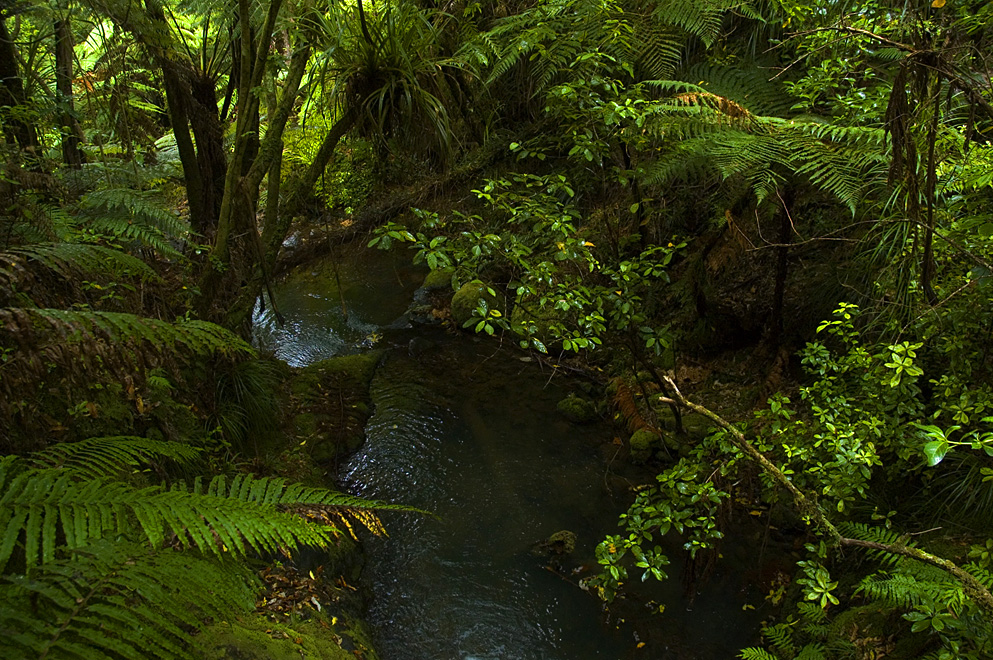
Coromandel is not just a beach destination. The peninsula is shaped by native bush, winding coastal roads, hidden bays, and a landscape that still feels textured rather than polished flat for tourism. The official Department of Conservation overview for Coromandel is a useful reminder that the region combines coastline with forest history, walking access, and protected natural areas rather than relying on a single headline attraction.
That broader mix matters when you are deciding where to stay. A trip based only around one famous photo stop can feel thin very quickly. A trip built around several kinds of scenery tends to feel fuller and easier: one day for a celebrated cove, another for hot springs at the beach, another for bush walks, birdlife, or a slower local outing.
Koru Riverside Retreat suits that rhythm well. It gives you a private base with enough comfort to make downtime feel like part of the holiday rather than a gap between activities. Readers who want more of that side of the experience can explore Indulge and Enjoy after mapping out their outings.
Top natural attractions to put on your shortlist
You could spend days wandering through the peninsula and still leave with a longer list for next time. If you are building a balanced first visit, these are the attractions most likely to justify a place in your plan.
| Attraction | Why it stands out | Practical note |
|---|---|---|
| Mautohe Cathedral Cove | Iconic white-sand cove, sea arch, volcanic coastline, and one of the region’s signature views | Access arrangements can vary, so it is worth checking current local guidance before you set out |
| Hot Water Beach | A geothermal beach where visitors can dig pools in the sand near low tide | Timing matters more than enthusiasm here; arrive too far from low tide and the trick does not work |
| Coromandel bush and walking areas | Native forest, birdlife, and the slower inland character that balances the coast | Conditions change with weather, so track checks are part of the plan, not an afterthought |
| Driving Creek conservation landscape | Regenerating forest, wildlife, and elevated views near Coromandel town | A good choice when you want scenery without committing to a very long day |
Mautohe Cathedral Cove
Cathedral Cove is the place many visitors picture first, and with reason. The coastal arch, pale sand, and clear water make it one of Coromandel’s most recognizable natural landmarks. The regional visitor guide at The Coromandel’s Cathedral Cove page gives a practical overview and notes that visitors commonly experience the area by walking, kayaking, or by boat.
The sensible approach here is to treat Cathedral Cove as a half-day highlight rather than something to squeeze into an already crowded itinerary. If you build breathing room around it, the outing feels like part of the holiday. If you cram it between too many other stops, it starts to feel like logistics in hiking shoes.
Hot Water Beach
Hot Water Beach is one of those attractions that sounds almost too neat to be real until you see people digging their own steaming pools in the sand. The official tourism page for Hot Water Beach is worth checking because it explains the key planning detail: the beach works best within roughly two hours either side of low tide.
That tide window is the whole game. If you get the timing right, the beach feels playful and memorable. If you arrive at the wrong hour, you mostly have a normal beach and a lesson in why nature does not accept late arrivals. Pack a towel, keep expectations flexible, and take the tide chart seriously.
Native forest and Coromandel walking country
Coromandel’s quieter strength is inland. The peninsula’s forested areas, short walks, lookouts, and river settings give the trip more depth than a simple beach circuit. Even if you only choose one bush-focused outing, it helps explain why this region feels so restorative.
The official DOC maps and outdoor planning resources are useful before any walk, especially if weather has been unsettled. A modest walk through dense bush can be the right call after a bigger coastal outing the day before. Coromandel does not need to be performed at maximum effort to be rewarding.
Driving Creek’s conservation landscape
Not every memorable nature stop needs to be a remote adventure. Driving Creek’s conservation work adds another side of Coromandel to the trip: regenerating native forest, birdlife, and a landscape shaped by restoration rather than heavy development. It is especially useful for visitors who want scenery and context near Coromandel town without spending an entire day on the road.
That proximity is part of the appeal. You can spend the morning exploring and still be back at Koru with time for a slower lunch, a soak, or an evening on the deck. Some holidays improve when you stop treating every daylight hour like a competitive sport.
Outdoor activities that pair well with a stay at Koru
The most satisfying Coromandel itineraries usually combine one or two bigger attractions with simpler outdoor time. That balance gives the region room to breathe.
- Scenic walks: Choose a short bush walk or viewpoint on the day after a longer coastal outing. It keeps the trip active without making every day feel demanding.
- Kayaking or boat-based sightseeing: Coastal experiences can show off the cliffs, coves, and marine edges from a different angle, especially around the Hahei side of the peninsula.
- Riverside downtime: One of the advantages of staying at Koru is that not every nature experience has to involve a drive. Quiet time back at the retreat is part of the point.
- Low-key evening recovery: A private dinner, a slower drink outdoors, or simply listening to the river often lands better than one more stop squeezed in before dark.
If your ideal holiday includes both activity and comfort, Koru works best as a base rather than a backdrop. You head out for the peninsula’s headline scenery, then come back to privacy, space, and the sort of evening that does not require a plan more complicated than “stay here a while.”
How to plan your visit without overcomplicating it
The best Coromandel trips are usually the ones that stay a little under-scheduled. The roads are scenic, the weather matters, and several of the best-known experiences work better when you are not racing the clock.
A practical way to plan is to give each day a clear center of gravity.
- Pick one headline outing. Make Cathedral Cove or Hot Water Beach the main event, not just one checkbox among six others.
- Add one lighter companion activity. That might be a shorter forest walk, a local lookout, or a near-town conservation stop.
- Leave room for weather and energy levels. Coromandel rewards flexibility. A slower day is not a wasted day if the setting is doing its job.
- Check conditions before you drive. Tides, track notices, and access updates can change what is realistic on the day.
- Use your accommodation properly. A private retreat is more enjoyable when you actually spend time there instead of treating it like a bag drop with better furniture.
That approach is especially useful for couples and shorter stays. A two-night or three-night trip can still feel generous if each day has one memorable anchor and the evenings are protected from overplanning.
A sample Coromandel rhythm for a short stay
If you prefer a concrete example, this is a sensible pattern for a first visit:
- Day one: Arrive, settle in, explore the grounds, and keep the evening simple.
- Day two: Choose one major coastal outing such as Cathedral Cove or Hot Water Beach, then return for a slower evening at the retreat.
- Day three: Pick a shorter forest or conservation-focused activity closer to town, followed by lunch and an unhurried afternoon.
- Day four or departure day: Leave space for one final scenic stop if time and weather allow, rather than trying to force a full-day plan into a checkout window.
It is not a complicated formula, but it works. Coromandel’s beauty tends to land properly when you give it a bit of margin.
Where Koru fits into the experience
A regional guide should still answer the practical lodging question: what makes this area easier to enjoy once you are there? Koru’s answer is privacy, self-contained comfort, and a setting that carries some of the experience on its own. You do not need a packed itinerary every day when the accommodation already supports a slower kind of trip.
That matters after long beach days, variable weather, or any outing that turns out to be more tiring than the photos suggested. Coming back to your own space changes the tone of the holiday. If you want a better sense of that side of the stay, the main homepage covers the retreat atmosphere, and Indulge and Enjoy goes deeper into the comforts that make staying in feel worthwhile.
Final practical next step
Coromandel is easiest to enjoy when you keep the plan focused: a few standout attractions, one or two slower nature experiences, and enough time left for the retreat itself. That combination gives you the coastline people come for and the quieter bush setting they often remember longer.
If that sounds like your kind of escape, start with the retreat overview on the homepage, browse Indulge and Enjoy for the on-site details, and use the contact page to ask about dates or practical questions before you book.