Koru Riverside Retreat sits in the part of the Coromandel that rewards slow mornings and sensible footwear. Guests come for privacy, but the real advantage is the setting: river, native bush, birdlife, and a landscape that does not need a sales pitch.
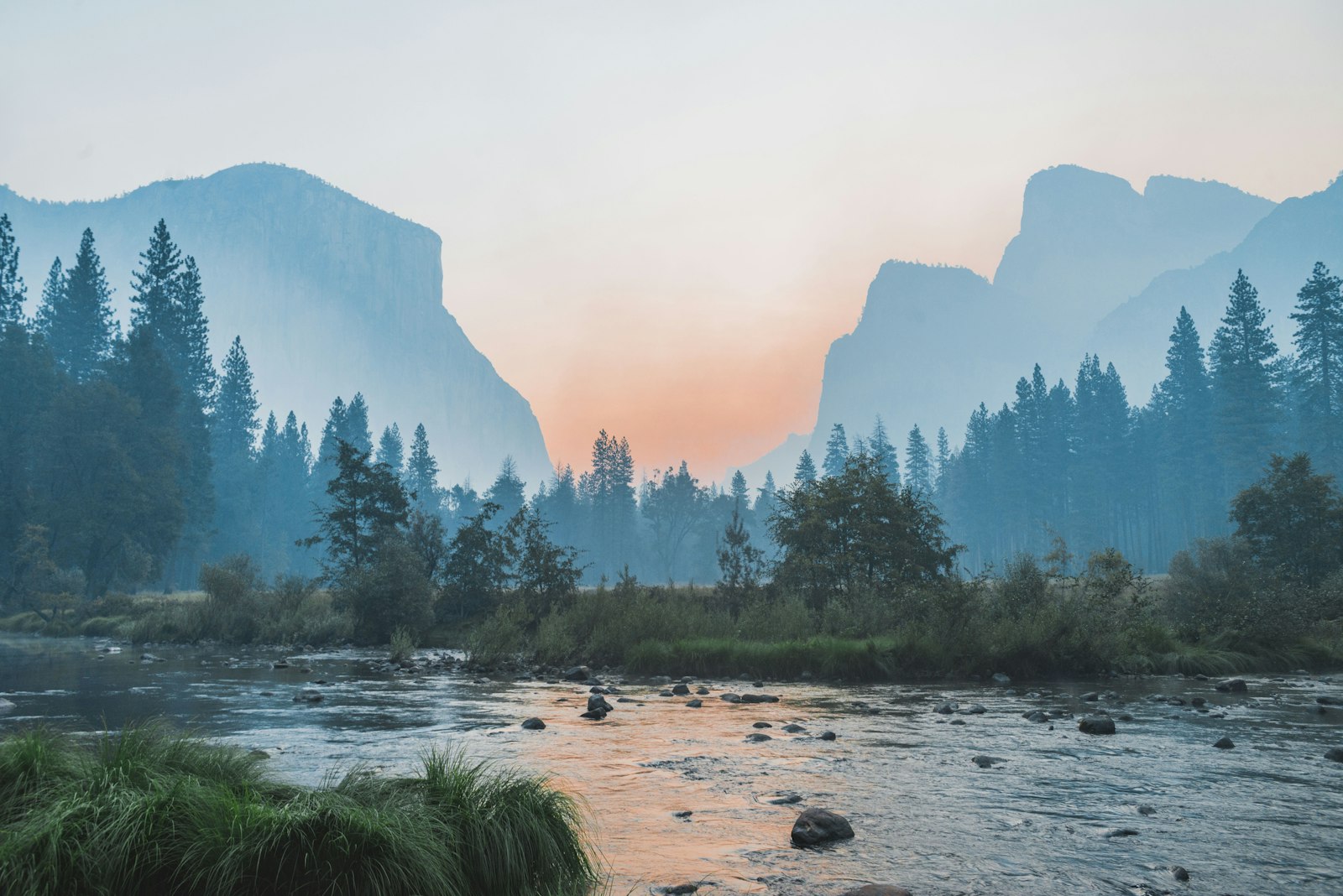
Introduction to nature at Koru
The retreat makes a practical base for guests who want to step outside and do something useful with the day: walk, watch, photograph, or simply sit still long enough to notice the place. For current regional conditions and outdoor planning, check the Department of Conservation’s Coromandel overview and the official Coromandel visitor guide before you head out.
If you want a lighter overview of the region’s walking, beaches, and local experiences, the blog has more trip-planning ideas, while the About page explains the retreat itself. Yes, the bush is still here tomorrow; the question is whether you plan for it properly today.
Best hiking trails
Choose walks that match the time you have, not the mood you wish you had. Around Koru and the wider Coromandel, the practical options usually fall into three groups:
- Short riverside or bush walks — best for a relaxed morning, photography, and an easy return before lunch.
- Coastal tracks — better for dramatic views and a bit more effort, especially in changeable weather.
- Longer day walks — for guests who want a proper outing and are prepared with water, layers, and a route plan.
Before any walk, check track status and weather on DOC’s planning and maps guidance. That is the boring answer, which usually means it is the correct one.
Simple trail rules:
- Start early if you want softer light and fewer people.
- Carry water, snacks, and a charged phone.
- Wear shoes that can handle mud, roots, and uneven ground.
- Turn around before fatigue makes decisions for you.
Birdwatching opportunities
The Coromandel is a good place for birdwatching because the habitat does half the work. Native bush, river margins, and quiet edges are ideal for listening first and looking second. Early morning is usually best, when bird activity is higher and wind is lower.
Bring binoculars if you have them, but do not let equipment become the point. A patient ten minutes with no noise often beats an expensive lens and a bad attitude. If you want to learn the basics of common native species in New Zealand, the list of birds of New Zealand is a useful reference starting point.
For guests staying at Koru, the most useful birdwatching spots are the quiet ones: near water, along bush edges, and just after sunrise. Stay still, keep voices down, and avoid chasing the shot. The birds rarely appreciate management advice.
Photography tips for nature lovers
Nature photography at Koru works best when you use light well and keep the composition simple. The best times are usually early morning and late afternoon, when shadows soften and the landscape has more depth.
Practical tips:
- Use the river, trees, or track edges as natural leading lines.
- Include foreground detail to give scale to the landscape.
- Try both wide scenes and close textures such as leaves, bark, or water movement.
- Keep one lens or camera setting dedicated to low-light moments.
If you want a broader sense of what makes the Coromandel visually strong, Tourism New Zealand’s Coromandel feature page gives a useful regional overview. Use it for context, then step outside and photograph what is actually in front of you.
Wildlife encounters and conservation
Nature travel works best when guests behave like visitors, not collectors. Look, listen, and leave habitat in place. That means staying on paths where they exist, not feeding wildlife, and carrying out every wrapper, bottle, and stray item you brought in.
Common wildlife encounters in bush and river settings may include native birds, insects, lizards, and the occasional animal you hear before you see. If you are uncertain about a species or a track condition, keep the interaction simple: observe, photograph from a distance, and move on.
Conservation awareness is not a slogan; it is the operating cost of staying in a beautiful place. Guests can help by:
- sticking to marked routes and property guidance,
- keeping noise low in shared natural spaces,
- respecting nesting or feeding areas, and
- supporting local conservation rules and signage.
For responsible outdoor planning, revisit DOC’s Coromandel information before setting off: conditions change, and nature does not care about your calendar.
Conclusion
Koru Riverside Retreat is a strong base for guests who want more than a pretty view. It gives you access to a setting that supports walking, birdwatching, photography, and the sort of quiet that most people are missing by Tuesday.
If you are planning a stay, start with the practical basics: check the weather, choose the right walk, pack properly, and make room in the day for sitting still. Then use the retreat as intended. Explore the bush, notice the wildlife, and come back with cleaner priorities.
For booking questions or stay planning, visit Contact. If you want the broader retreat story, the homepage is the right place to start.